
How Does Regular Septic Pump Maintenance Protect Your Tank and Drainfield?
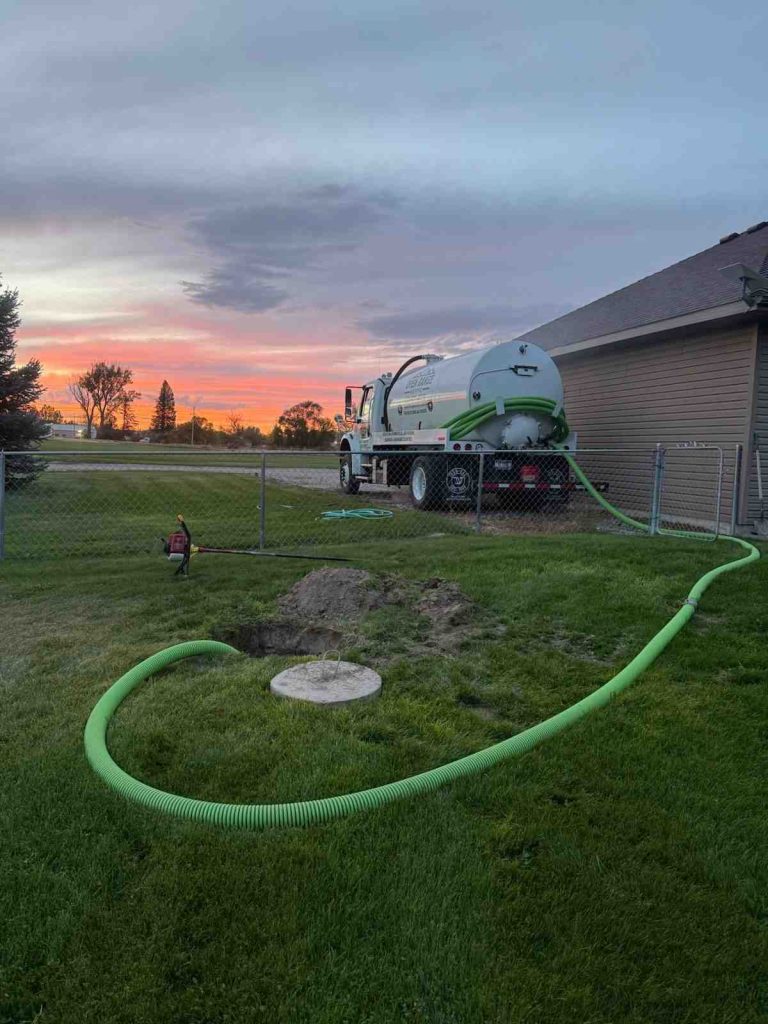
Out of sight, a septic system is doing steady work every time you run a shower, flush a toilet, or start a load of laundry. Regular septic pump maintenance keeps that work on track by clearing out accumulated solids so the tank has room to receive and treat each new round of wastewater. What happens in the tank shapes what reaches the drainfield, which is why a little routine attention goes a long way. Once you see how the two connect, scheduling service becomes a plan built around your property instead of a chore you get to when you remember. How Your Septic Tank and Drainfield Work Together A conventional system leans on gravity, natural separation, and soil filtration. Wastewater from your sinks, showers, toilets, and washer flows into the tank and rests there long enough to sort itself out. Heavier solids sink and form sludge, grease and light material float up as scum, and the clarified liquid in the middle, called effluent, moves out toward the drainfield. Naturally occurring bacteria in the tank break down part of the organic material along the way, and the drainfield’s network of perforated pipes then spreads the effluent into the surrounding soil for further treatment. Because each stage hands off to the next, the tank and drainfield perform best when they are cared for as one system. Why Regular Septic Tank Pumping Matters Even in a well-run household, sludge and scum build up gradually, since bacteria can only break down so much. Those layers take up room that incoming wastewater would otherwise use, so periodic pumping is how you reset the tank to full working capacity. If you are researching septic tank pumping Shelley, skip the question of how often your neighbor calls for service, because the right interval is personal to each property. Tank size, the number of people in the home, daily water use, and the amount of solids entering the system all play a part. A smaller tank serving a busy household will want attention sooner than a large tank with light use, and a professional assessment turns those details into a schedule that actually fits. How Pumping Helps Protect the Drainfield The drainfield counts on the tank to do the first round of separation, so effluent should leave with most settleable solids and floating material still held back. When the tank has been pumped on a sensible schedule, and its inlet and outlet components are in good shape, it keeps delivering exactly that. Clearing out sludge and scum preserves the settling space your system relies on and keeps solids moving toward the outlet to a minimum. That matters because the drainfield soil is built to treat liquid, and the cleaner the effluent arriving there, the more freely it can do its job. Pair routine pumping with thoughtful water use and you are protecting one of the most valuable parts of your property’s infrastructure. Everyday Habits That Support Your Septic System Pumping is the cornerstone, but daily household habits decide how much work your system has to handle between visits. Water conservation and smart disposal are the easiest wins, and most of them cost nothing. Here are the habits worth building in: Managing water flow deserves special credit here, because a steady, moderate load gives wastewater more time to settle before effluent heads to the drainfield. What Happens During a Professional Septic Service Visit A good service call involves a lot more than backing up a truck and emptying the tank. The technician starts by locating the tank and opening it safely, then removes the accumulated sludge and scum. From there, they can look over the components they can reach, which may include the inlet and outlet baffles and the general condition of the tank interior, depending on your system and the service you booked. The visit is also a chance to talk through your maintenance history, including tank size, household occupancy, past pumping intervals, and what the technician observed inside. Those details make the next appointment easy to plan and give you a clear picture of how your system handles everyday life in your home. Conclusion A septic tank and drainfield work as one treatment system, and both reward consistent care. Pumping clears the solids that naturally collect in the tank, while mindful water use and good disposal habits keep conditions favorable between visits. At Open Range Septic Service LLC, we help homeowners care for their systems through professional septic tank services and practical septic pump maintenanceguidance. Whether your property is due for routine pumping or you would like an assessment of its current needs, our team is ready to help. Contact us today to schedule service and give your septic system the attention it deserves. FAQs 1. How often should a septic tank be pumped? The ideal pumping frequency depends on tank size, household occupancy, daily water usage, and the amount of solids entering the system. A professional assessment can help determine a suitable maintenance schedule for your property. 2. How does septic tank pumping help protect the drainfield? Pumping removes accumulated sludge and scum, helping prevent excessive solids from reaching the drainfield. This supports proper wastewater flow and allows the soil to continue treating effluent effectively. 3. What are the main signs that a septic tank needs pumping? Common signs include slow drains, wastewater backups, persistent unpleasant odors near the tank or drainfield, and unusually wet areas around the drainfield. A professional inspection can help identify the cause and determine whether pumping is needed. 4. What should homeowners avoid putting into a septic system? Avoid flushing wipes, paper towels, cooking grease, oils, and non-biodegradable materials. These items can contribute to solid accumulation and interfere with normal septic system operation. 5. What does a professional septic tank pumping service include? A typical service involves accessing the tank, removing accumulated sludge and scum, and checking accessible components such as inlet and outlet baffles, depending on the service scope. Technicians can also provide maintenance recommendations based on the tank’s
Why Is Professional Septic Tank Cleaning Important Before Buying an Older Property?
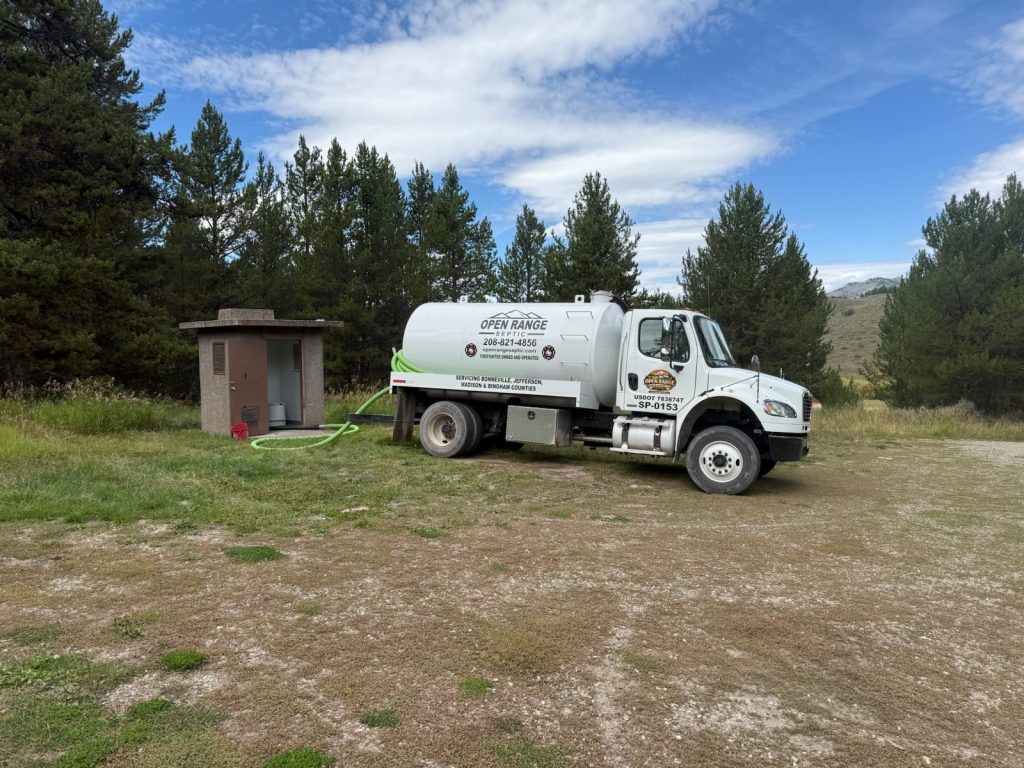
Older homes bring character, mature trees, and plenty of room to make your own. Professional septic cleaning Blackfoot gives buyers a clear look at the system that quietly serves the property every single day. We believe a home purchase feels best when you know what sits beneath the lawn as well as what sits inside the walls. A thorough tank cleaning turns an unknown into a known, and that peace of mind is worth having before you sign anything. What a Septic Tank Can Tell You About a Home A septic tank holds wastewater long enough for solids to settle and scum to float, while the clarified liquid in the middle moves on to the drain field. In an older property, the tank may have gone several years between visits, so the sludge and scum layers can be thicker than ideal. Pumping clears those layers and lets us see the walls, baffles, inlet and outlet tees, and lid condition without guesswork. These parts are rarely visible any other way. An empty tank also lets us confirm its size and material, whether concrete, steel, or fiberglass, which helps you understand exactly what kind of system you are taking on. Local Conditions Shape How a System Performs Soil type, groundwater levels, and seasonal weather all influence how a septic system works, and local knowledge makes a real difference. Homeowners who ask us about septic cleaning Rigby often want to know how the water table and soil affect drain field health, and the answer is that both matter a great deal. Older systems were frequently designed to earlier standards, so it helps to compare the original layout with the way a household uses it today. A system built for a small family may need a thoughtful maintenance routine if a larger household is moving in, and knowing that up front lets you plan with confidence. What a Pre-Purchase Cleaning Includes A professional cleaning is far more than pumping, and each step gives you useful information. During a pre-purchase visit, here is what we typically cover: Findings You Can Put to Work The information from a cleaning gives you something practical to work with. If the system is in good shape, you can move forward knowing its current condition and holding a record of it. If a component could use attention, such as a lid upgrade, a new filter, or a riser, you can build that cost into your offer, ask the seller to handle it, or schedule the work right after closing. Either way, you are making a decision based on facts rather than assumptions. Agents and lenders often appreciate having documentation on hand, and it becomes a helpful starting point for your own maintenance records. Why Timing Fits Neatly Into Your Purchase Schedulingseptic cleaning in Blackfootduring your inspection period keeps the whole process on track. A tank that has just been pumped shows its true condition, which gives your inspector accurate details to include in their report. Most visits take only a few hours, and we are glad to coordinate with your inspector or agent so everything stays smooth. When you plan, you will have results in hand well before the closing date, leaving you free to focus on the exciting parts of moving. Conclusion Buying an older property is a rewarding step, and a well-understood septic system makes it even better. Open Range Septic Service LLC is here to help you see what is beneath the surface, answer your questions in simple language, and set you up with a maintenance plan that suits your new home. Call us today or reach out through our website to book your pre-purchase tank cleaning, and let us help you begin this chapter with total confidence. FAQs 1. Why should a septic tank be cleaned before buying an older property? Cleaning a septic tank before purchasing an older property helps remove accumulated sludge and scum while allowing key components to be examined. It gives buyers a better understanding of the system’s current condition and potential maintenance needs. 2. What components are checked during a pre-purchase septic tank cleaning? A professional visit may include checking the tank walls, inlet and outlet baffles, tees, lids, risers, and effluent filter. These components help determine whether the system needs maintenance or repairs. 3. Can septic tank cleaning reveal potential drain field problems? Pumping and inspecting the tank can provide useful clues about drain field performance, including unusual liquid levels. However, a separate drain field evaluation may be needed to confirm specific problems. 4. When should septic cleaning be scheduled during a home purchase? Ideally, schedule septic cleaning during the property inspection period, before closing. This allows buyers to review the findings, discuss necessary maintenance with the seller, and plan any required work. 5. Does a recently cleaned septic tank mean the system is in good condition? Not necessarily. Pumping removes accumulated waste, but it does not automatically resolve damaged components, structural concerns, or drain field issues. A thorough inspection is important for understanding the system’s overall condition.
What Are the Early Warning Signs That Your Septic System Needs an Inspection?
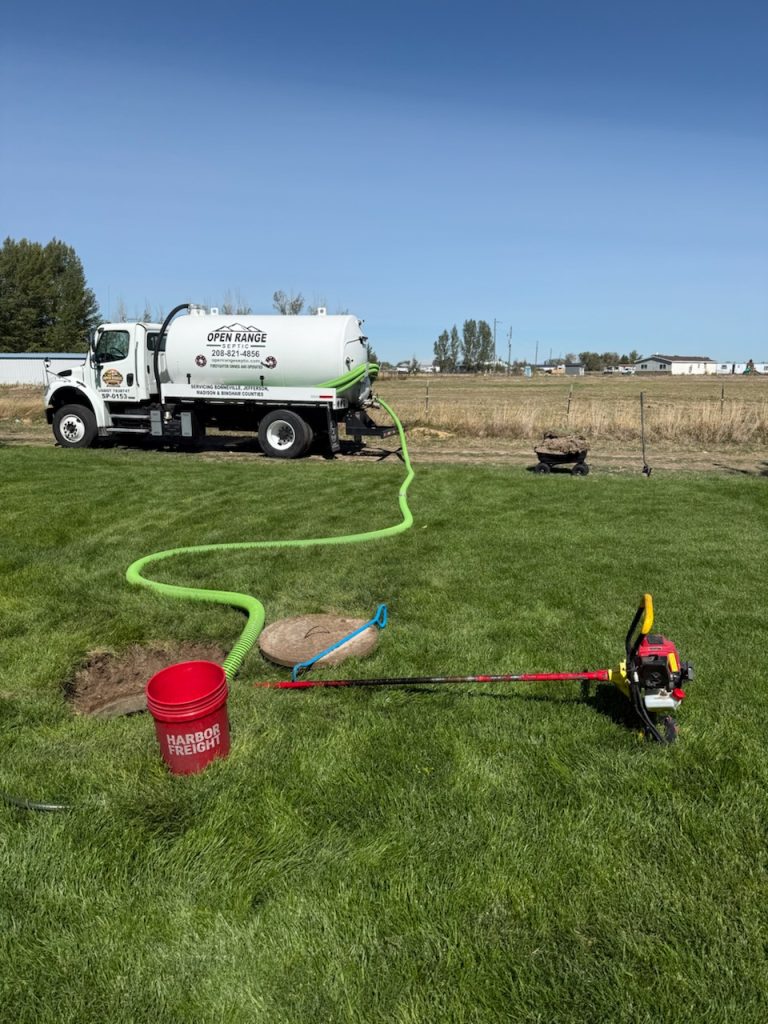
Your septic system does its job out of sight, which is exactly how most of us like it. Still, it gives off small hints about how it’s doing, and homeowners who learn to read them tend to stay a step ahead. A septic tank inspection Rexburg shows you what’s going on inside the tank, the pipes, and the drainfield while everything is still easy to manage. Knowing what to watch for, and when to call in a professional, turns septic care from a guessing game into a plan. Slow Drains Are Often the First Hint Sinks, tubs, and showers are usually the first to tell you something has shifted. One slow drain is most often a local clog, and a plumber’s snake will sort it out. When the whole house starts draining a little lazily, though, the cause may sit further down the line. An inspection tells you whether you’re dealing with a plumbing quirk, the tank, or the drainfield, so you spend your money in the right place the first time. That Gurgling Sound Is Worth a Listen Gurgling from a toilet or shower drain is just air finding its way through the pipes, and it can mean wastewater isn’t moving as freely as it should. One odd noise after a big laundry day isn’t worth losing sleep over. If you’re hearing it at several fixtures, or it keeps coming back, that’s a good reason to have someone look at the system as a whole. A trained eye can tell fairly quickly whether the sound traces back to the septic system or to the venting in the house. Follow Your Nose Before Small Things Grow A healthy septic system keeps everything contained, so you shouldn’t smell much of anything. A sewage-like odor near the tank, the drainfield, or a bathroom is useful information, because the location often points to the cause. It might be a vent, the condition of the tank, or water that’s moving slower than it should. Try to remember where you smelled it and what the weather was doing. Details like that save time during an inspection. Your Lawn Knows How Your Drainfield Is Doing The ground over your drainfield is one of the best gauges you have. Soil moisture, grass color, and surface conditions all show how well treated water is spreading out underground, so take a walk across it now and then. Here’s what’s worth noticing: Rain, sprinklers, and plain old soil variation can all cause the same look. Mention what you’ve seen to your inspector, though, because it fills in the picture. Toilets Don’t Hide It When Something’s Off Toilets are honest reporters. A slow flush or a repeat backup is worth a closer look, particularly when other fixtures are showing similar behavior. The answer could involve tank capacity, the pipes, or how the drainfield is handling flow. We don’t treat each symptom as its own mystery. We look at how the whole system manages your household’s wastewater, which gives you a clearer sense of what maintenance makes sense. Rexburg Weather and Your Septic System Rexburg yards go through a lot. Cold winters, spring snowmelt, summer irrigation, and shifting soil moisture all affect the ground around a septic system. That makes it smart to keep an eye on your yard through the seasons and to book an inspection when something looks different. A septic tank inspection in Rexburg lets us check the accessible parts of your system, review the condition of the tank, and note anything that could influence performance. AtOpen Range Septic Service LLC, our goal is simple: give you practical, honest information so you can plan with confidence. What Actually Happens During an Inspection It’s a lot more than lifting the lid and peeking inside. Through our septic inspection services, we look at the tank’s structural condition, measure sludge and scum levels, check the inlet and outlet components, inspect the baffles, and look over the drainfield for anything visible. Those findings give us a clear snapshot of where your system stands today and show whether it’s ready for routine cleaning or ongoing care. You also receive documented information that you can keep on hand for future maintenance or when it’s time to sell the property. Conclusion Slower drains, repeated gurgling, odd smells, wet spots in the yard, and toilets that don’t quite flush like they used to are all good reasons to schedule an inspection. Catching these signals early makes your decisions easier and your maintenance more predictable. If any of this sounds familiar, reach out to Open Range Septic Service LLC. We’ll walk you through what we find, explain it in simple language, and help you keep your system running well for years to come. FAQs 1. How often should a septic system be inspected? Most septic systems should be professionally inspected every one to three years, depending on tank size, household usage, and system condition. Regular inspections help homeowners monitor sludge levels, check important components, and plan maintenance. 2. Can slow drains indicate a septic system problem? Yes. When multiple sinks, showers, and toilets drain slowly, the issue may involve the septic tank, connecting pipes, or drainfield. A professional inspection can help identify the source and determine the appropriate maintenance. 3. What does unusually green grass over a septic drainfield mean? Unusually green or fast-growing grass may indicate excess moisture or wastewater reaching the soil surface. However, irrigation and natural soil conditions can produce similar changes, so a professional assessment is helpful. 4. What components are checked during a certified septic inspection? A certified septic inspection may include evaluating the tank’s structural condition, sludge and scum levels, inlet and outlet pipes, baffles, and visible drainfield conditions. The findings help establish the system’s overall condition and maintenance needs. 5. When should Rexburg homeowners schedule a septic tank inspection? Homeowners should schedule an inspection when they notice recurring slow drains, gurgling sounds, sewage odors, wet areas around the drainfield, or toilet backups. Inspections are also useful for routine maintenance planning
What to Expect From a Certified Septic Tank Inspection
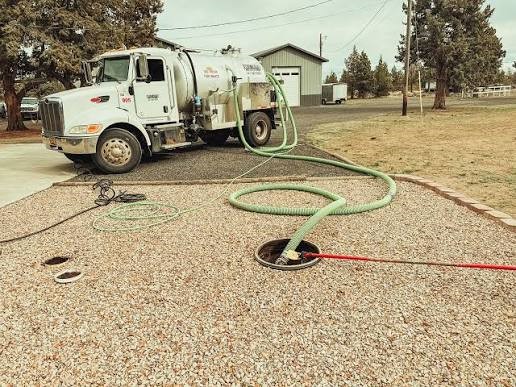
A septic system hides underground, which is exactly why its problems get expensive. A buyer closes on a home, moves in, and discovers three months later that the drain field has failed.
What Property Owners Should Know about Septic Cleaning Services
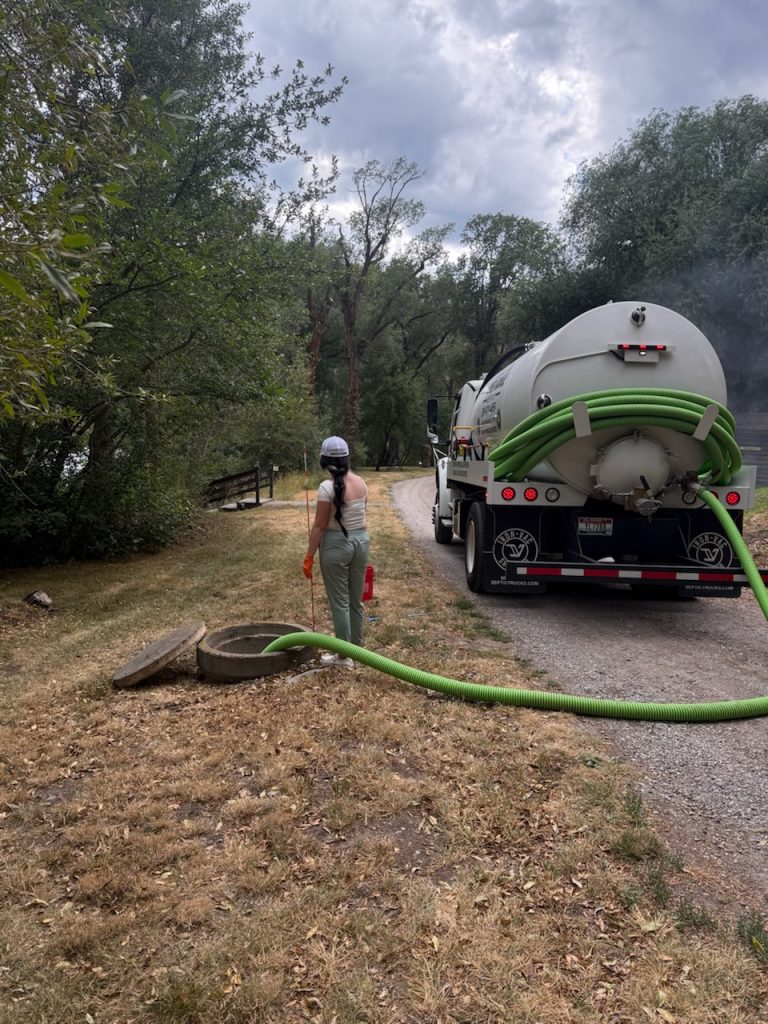
Most property owners think about their septic system only when something goes wrong. By then the yard smells, the toilets gurgle, and a plumber is quoting numbers nobody wants to hear.
Septic Tank Cleaning: What to Expect From Start to Finish
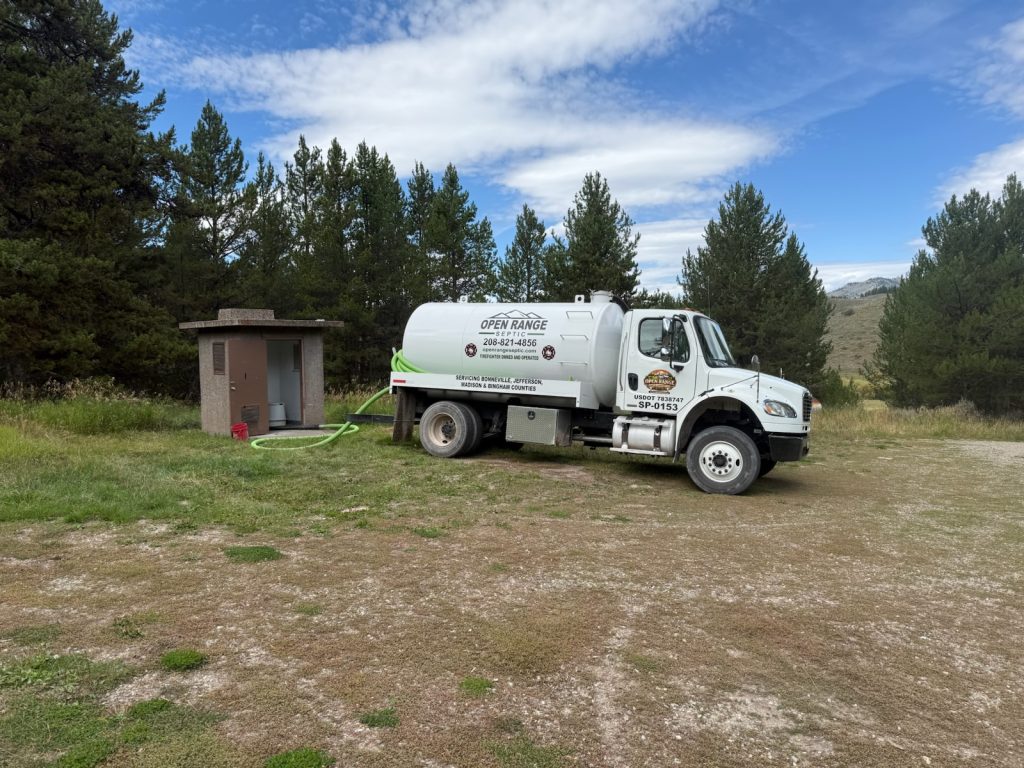
A slow drain is easy to ignore. So is a soggy patch of lawn or a faint smell near the yard. But these small signs often point to a tank that has been full for too long
Septic Pumping Idaho Falls Homeowners Need
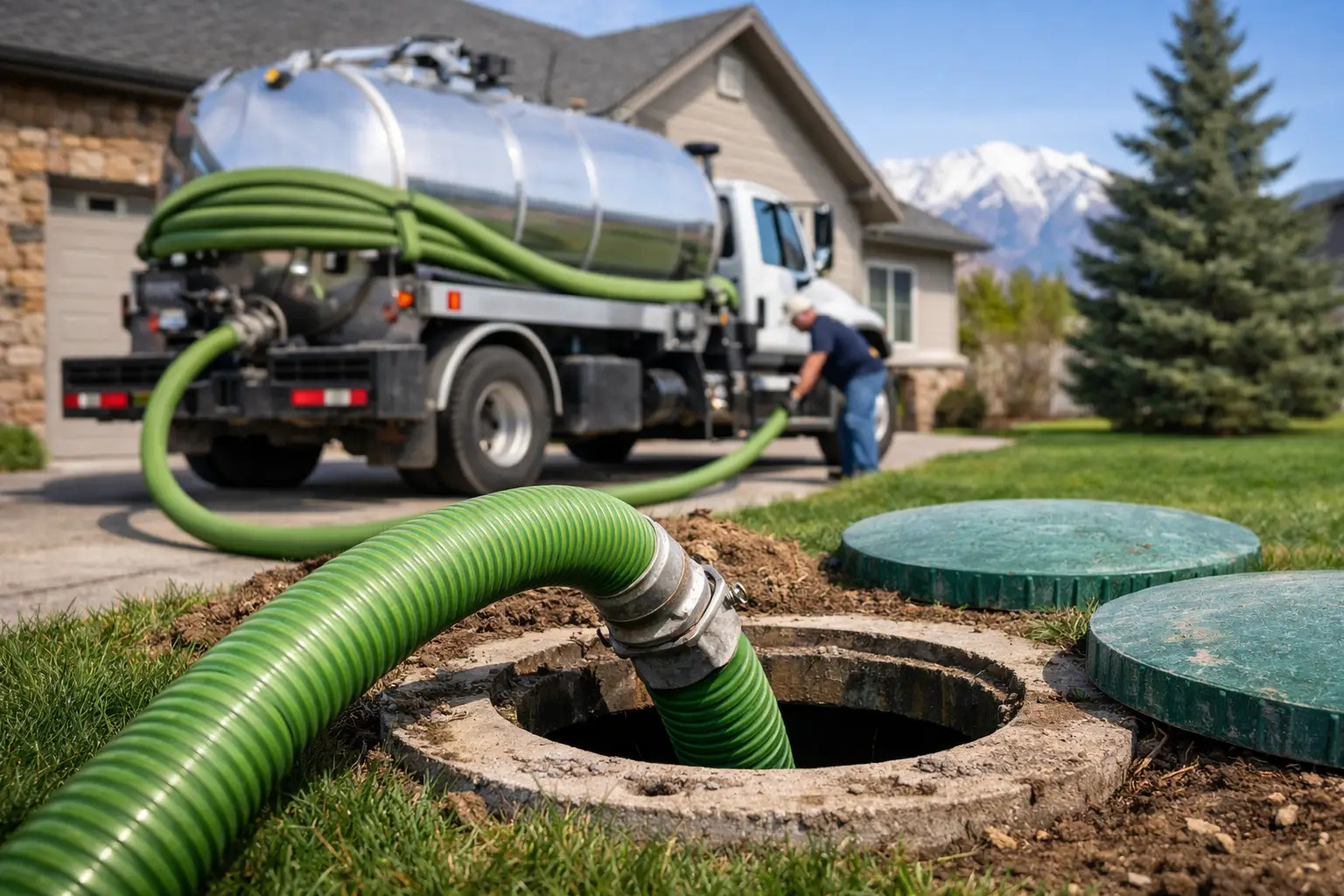
Septic pumping Idaho Falls homeowners can count on: learn warning signs, timing, and what a professional pump-out visit should include for a clean system.
Fast Emergency Septic Service in Idaho Falls
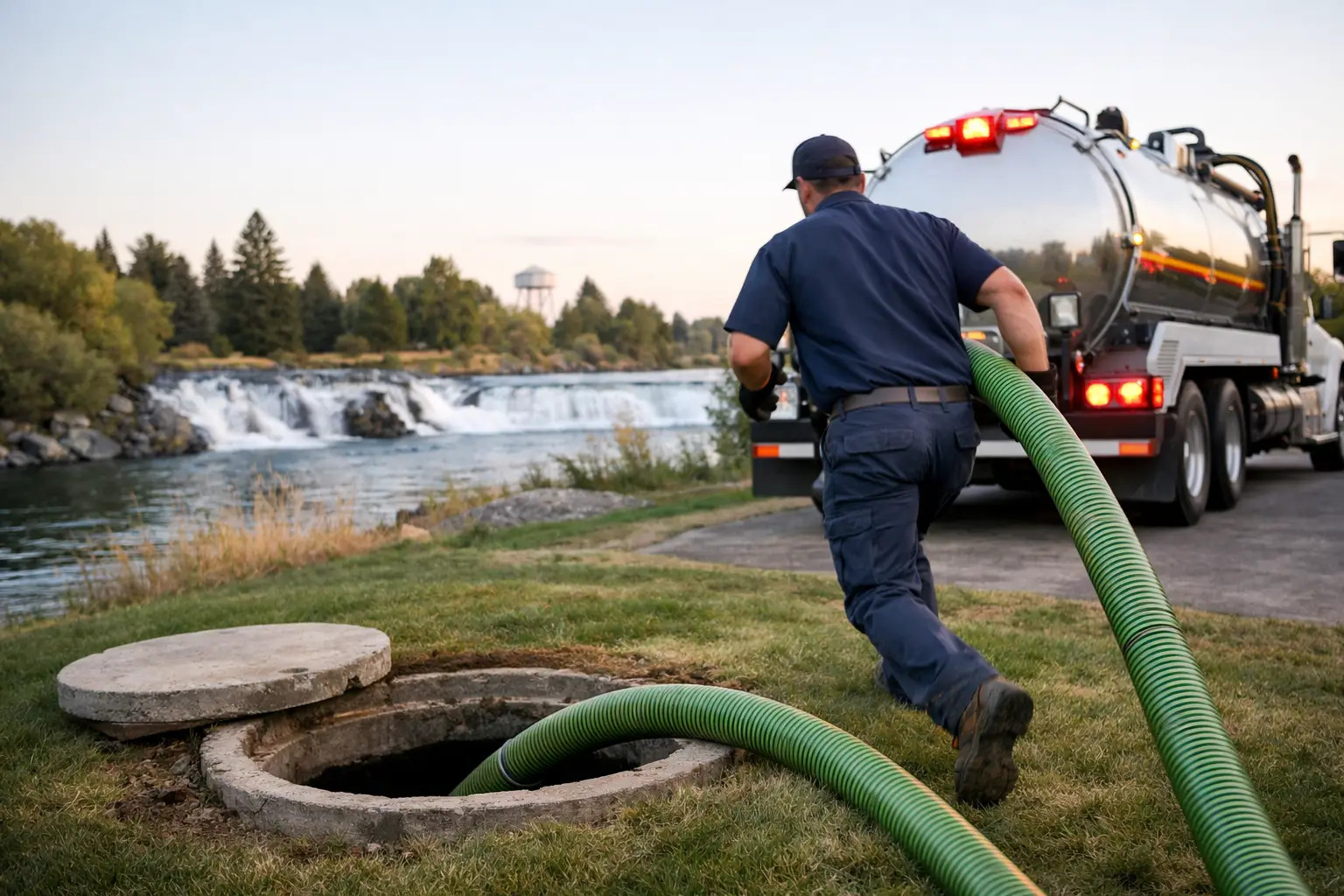
Need emergency septic service Idaho Falls homeowners can trust? Learn what to do, what to avoid, and how fast help can protect your home and yard today.
How Often Should Septic Tank Be Pumped? Idaho Guide

Wondering how often should septic tank be pumped? Learn the Idaho factors, warning signs, and simple schedule that protects your home and drain field.
What a Septic Inspection for Home Purchase Finds
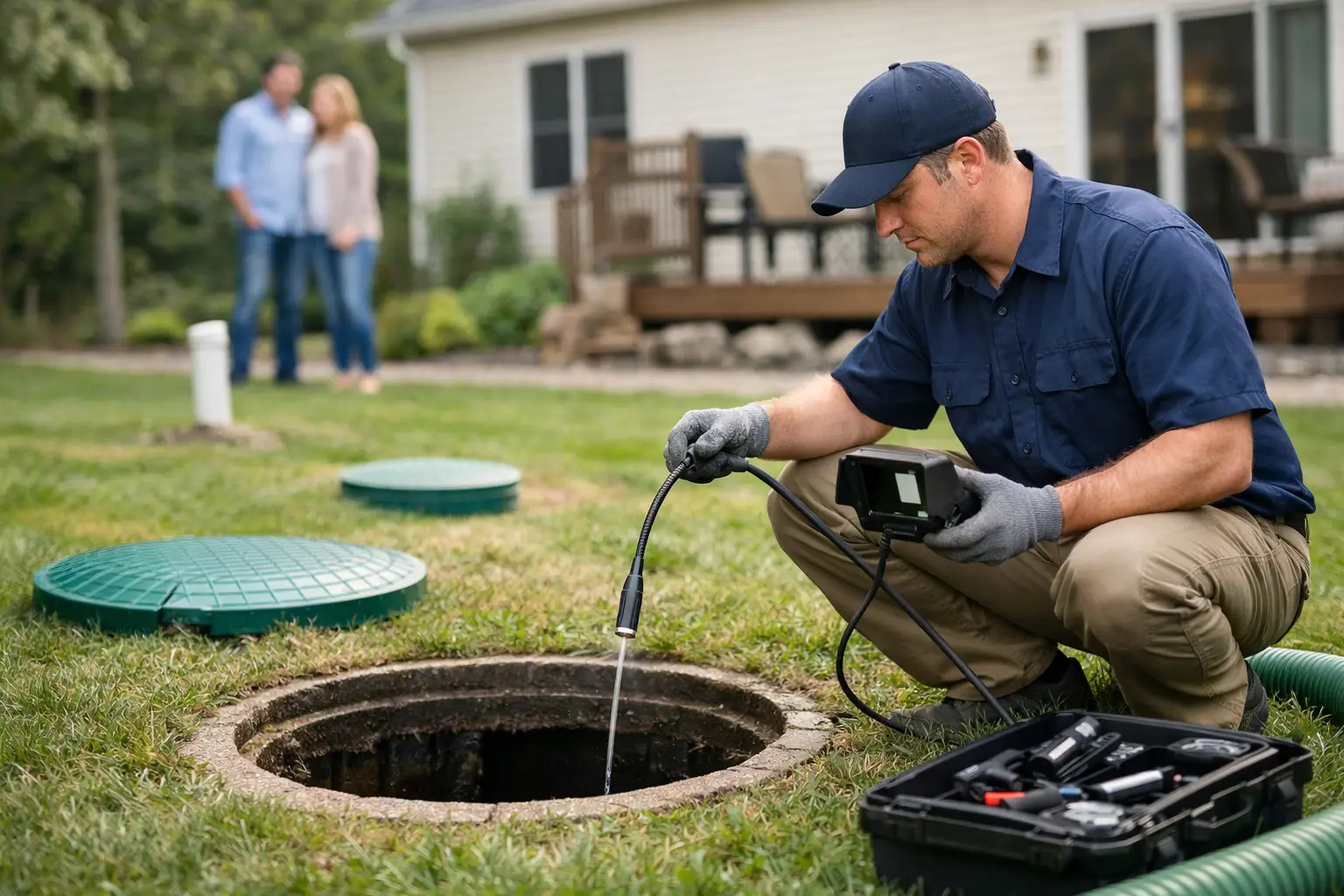
A septic inspection for home purchase can reveal costly issues before closing. See what gets checked, when to schedule it, and what results mean for you.