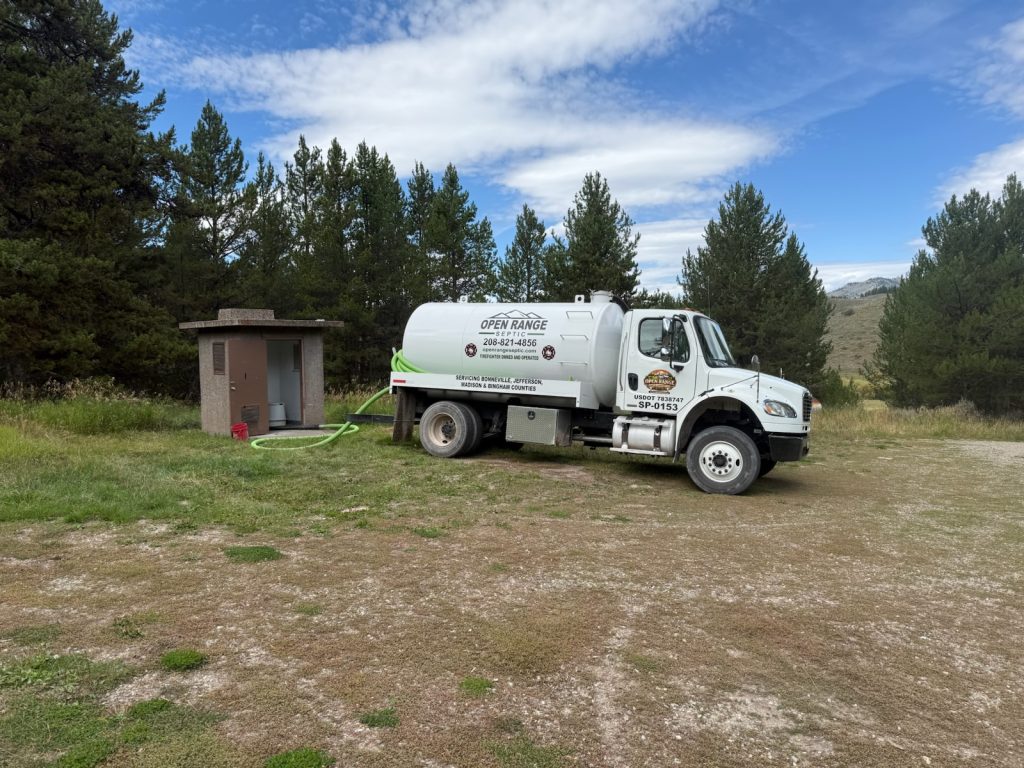
A slow drain is easy to ignore. So is a soggy patch of lawn or a faint smell near the yard. But these small signs often point to a tank that has been full for too long, and a full tank can turn into a backed-up house and a repair bill that runs into the thousands. The fix is simpler than most people think. Regular pumping and inspection keep the system working and the yard dry. If you have been searching for septic cleaning Rigby or septic cleaning Swan Valley, you probably want to know what the visit actually involves.
This guide walks you through every stage, from the first phone call to the final lid check, so nothing catches you off guard.
Why Septic Tanks Need Regular Cleaning
Every flush and every tap sends solids to the bottom of the tank and grease to the top. Bacteria break down some of it, but not all. Over time, the sludge layer grows until there is too little room for wastewater to settle. Solids then slip into the drain field and clog it. Cleaning removes that buildup before it causes damage.
Signs It Is Time to Call
Gurgling pipes, slow drains, and sewage smells outside are the usual warnings. Some homeowners also notice unusually green grass over the tank or water pooling near the drain field. If more than one of these shows up, do not wait for a calendar reminder. Many households searching for septic cleaning in Rigby start with exactly these symptoms.
Booking the Visit and Preparing Your Property
When you call, the office will ask about your tank size, the last time it was pumped, and any problems you have noticed. Before the truck arrives, clear a path to the tank lid and move vehicles, pets, and outdoor furniture out of the way. If you are not sure where the lid is, the crew can find it with a probe. Past service records help the technician plan, so dig them out if you have them.
Locating and Opening the Tank
Most tanks sit a foot or two underground. If the lids are buried, the technician digs down to them and removes them carefully so the concrete does not crack. Opening the tank releases a strong smell that fades quickly. It is also the first chance to see the liquid level, which says a lot about how the system has been performing.
The Pumping Process
A vacuum hose goes into the tank and pulls out liquid, scum, and sludge. A good crew empties every compartment, not just the first one. They break up hardened sludge with water or a rake so nothing stays stuck to the walls. Pumping usually takes thirty to sixty minutes, depending on tank size and how long it has been since the last visit. Anyone booking septic cleaning in Swan Valley should expect this same thorough approach.
Inspecting Baffles, Pipes, and Filters
Once the tank is empty, it is much easier to see what is going on inside. The technician checks the inlet and outlet baffles, which keep solids from escaping. They look for cracks, root intrusion, and corrosion. If your tank has an effluent filter, it gets rinsed or replaced. Catching a broken baffle now costs far less than repairing a ruined drain field later.
Checking the Drain Field
The drain field handles the final cleanup of wastewater, so its health matters as much as the tank’s. A technician may walk the area looking for soft spots, standing water, or odors. If something seems off, they will point it out and explain your options. Not every visit leads to extra work, but a quick look gives you peace of mind.
Where the Waste Goes
The waste is hauled to a licensed treatment facility and processed under local regulations. It is never dumped on open land. A reputable company can tell you where its loads go and will provide paperwork if you ask. That small detail separates a careful operator from a careless one.
After the Service
Before leaving, the crew replaces and secures the lids. You should receive a service report that notes the condition of the tank, the amount pumped, and any recommendations. File it with your home records, since future buyers and inspectors often ask for it. Over the next few days, go easy on the system. Skip the marathon laundry day and long showers while the bacteria rebuild naturally.
How Often Should You Clean Your Tank?
Most households need pumping every three to five years. A bigger family, a garbage disposal, or a smaller tank shortens that window. Light use by one or two people can stretch it. The best move is to have a professional look at your setup and give you a schedule you can actually follow, then put the next date on your calendar before the truck pulls away.
Conclusion
Septic tank cleaning is a straightforward process once you know the steps. From locating the tank to pumping, inspecting, and recording the results, each stage protects your home and your property. Regular service costs very little compared with the repairs it prevents.
At Open Range Septic Service, we handle every step of the job with care, from locating your tank to leaving you a clear service report. Our crew is ready to help with septic cleaning in Rigby andseptic cleaning Swan Valley, whether it is a routine pump or a problem visit. Call us today to book your septic tank cleaning.
FAQs:
1. How long does a septic tank cleaning take?
Most visits last between thirty minutes and an hour. Larger tanks or heavy sludge buildup can add some time.
2. Do I need to be home during the service?
It helps, but it is not required as long as the crew can reach the tank. Leave the access area clear and gates unlocked.
3. How do I find my septic tank lid?
Check your property records or look for a slight mound in the yard. If you still cannot find it, a technician can locate it with a probe.
4. Will the smell stay around after cleaning?
A short odor during pumping is normal. It usually fades within a few hours once the lids are secured.
5. How often should a septic tank be pumped?
Every three to five years suits most homes. Household size and tank capacity can move that number up or down.