
Your septic system does its job out of sight, which is exactly how most of us like it. Still, it gives off small hints about how it’s doing, and homeowners who learn to read them tend to stay a step ahead. A septic tank inspection Rexburg shows you what’s going on inside the tank, the pipes, and the drainfield while everything is still easy to manage. Knowing what to watch for, and when to call in a professional, turns septic care from a guessing game into a plan.
Slow Drains Are Often the First Hint
Sinks, tubs, and showers are usually the first to tell you something has shifted. One slow drain is most often a local clog, and a plumber’s snake will sort it out. When the whole house starts draining a little lazily, though, the cause may sit further down the line. An inspection tells you whether you’re dealing with a plumbing quirk, the tank, or the drainfield, so you spend your money in the right place the first time.
That Gurgling Sound Is Worth a Listen
Gurgling from a toilet or shower drain is just air finding its way through the pipes, and it can mean wastewater isn’t moving as freely as it should. One odd noise after a big laundry day isn’t worth losing sleep over. If you’re hearing it at several fixtures, or it keeps coming back, that’s a good reason to have someone look at the system as a whole. A trained eye can tell fairly quickly whether the sound traces back to the septic system or to the venting in the house.
Follow Your Nose Before Small Things Grow
A healthy septic system keeps everything contained, so you shouldn’t smell much of anything. A sewage-like odor near the tank, the drainfield, or a bathroom is useful information, because the location often points to the cause. It might be a vent, the condition of the tank, or water that’s moving slower than it should. Try to remember where you smelled it and what the weather was doing. Details like that save time during an inspection.
Your Lawn Knows How Your Drainfield Is Doing
The ground over your drainfield is one of the best gauges you have. Soil moisture, grass color, and surface conditions all show how well treated water is spreading out underground, so take a walk across it now and then. Here’s what’s worth noticing:
- Soggy or wet spots over the drainfield, especially in dry weather
- Grass that’s noticeably greener or faster-growing than the rest of the lawn
- Standing water or pooling near the system
- A sewage smell rising from the soil
Rain, sprinklers, and plain old soil variation can all cause the same look. Mention what you’ve seen to your inspector, though, because it fills in the picture.
Toilets Don’t Hide It When Something’s Off
Toilets are honest reporters. A slow flush or a repeat backup is worth a closer look, particularly when other fixtures are showing similar behavior. The answer could involve tank capacity, the pipes, or how the drainfield is handling flow. We don’t treat each symptom as its own mystery. We look at how the whole system manages your household’s wastewater, which gives you a clearer sense of what maintenance makes sense.
Rexburg Weather and Your Septic System
Rexburg yards go through a lot. Cold winters, spring snowmelt, summer irrigation, and shifting soil moisture all affect the ground around a septic system. That makes it smart to keep an eye on your yard through the seasons and to book an inspection when something looks different. A septic tank inspection in Rexburg lets us check the accessible parts of your system, review the condition of the tank, and note anything that could influence performance. AtOpen Range Septic Service LLC, our goal is simple: give you practical, honest information so you can plan with confidence.
What Actually Happens During an Inspection
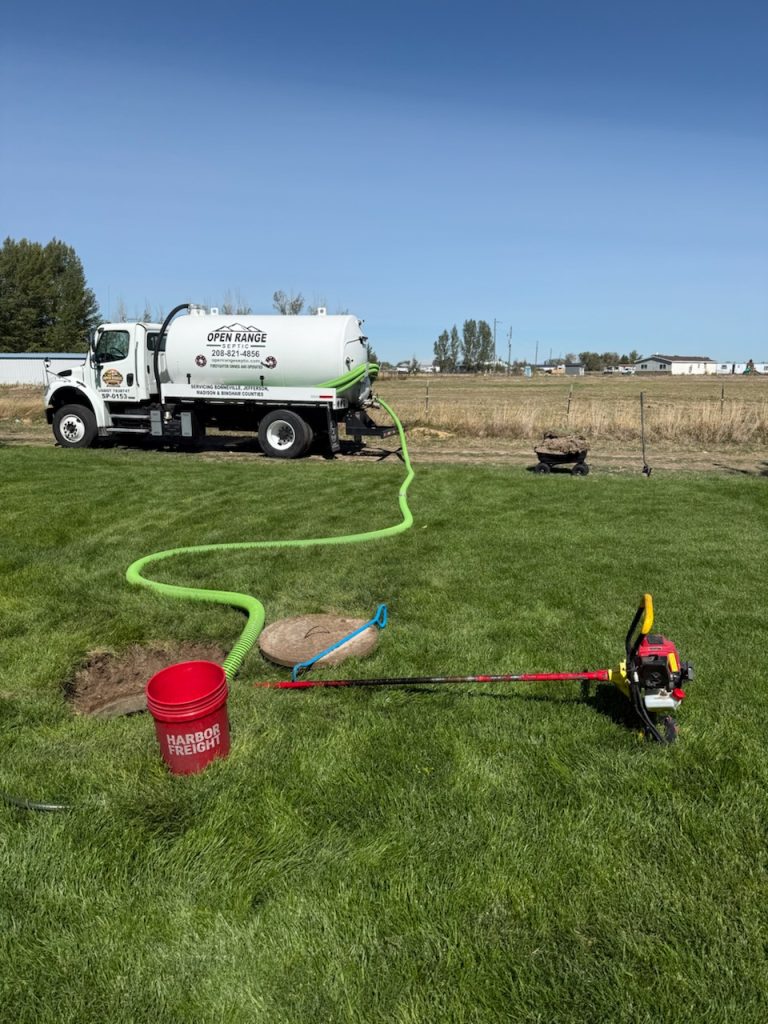
It’s a lot more than lifting the lid and peeking inside. Through our septic inspection services, we look at the tank’s structural condition, measure sludge and scum levels, check the inlet and outlet components, inspect the baffles, and look over the drainfield for anything visible. Those findings give us a clear snapshot of where your system stands today and show whether it’s ready for routine cleaning or ongoing care. You also receive documented information that you can keep on hand for future maintenance or when it’s time to sell the property.
Conclusion
Slower drains, repeated gurgling, odd smells, wet spots in the yard, and toilets that don’t quite flush like they used to are all good reasons to schedule an inspection. Catching these signals early makes your decisions easier and your maintenance more predictable. If any of this sounds familiar, reach out to Open Range Septic Service LLC. We’ll walk you through what we find, explain it in simple language, and help you keep your system running well for years to come.
FAQs
1. How often should a septic system be inspected?
Most septic systems should be professionally inspected every one to three years, depending on tank size, household usage, and system condition. Regular inspections help homeowners monitor sludge levels, check important components, and plan maintenance.
2. Can slow drains indicate a septic system problem?
Yes. When multiple sinks, showers, and toilets drain slowly, the issue may involve the septic tank, connecting pipes, or drainfield. A professional inspection can help identify the source and determine the appropriate maintenance.
3. What does unusually green grass over a septic drainfield mean?
Unusually green or fast-growing grass may indicate excess moisture or wastewater reaching the soil surface. However, irrigation and natural soil conditions can produce similar changes, so a professional assessment is helpful.
4. What components are checked during a certified septic inspection?
A certified septic inspection may include evaluating the tank’s structural condition, sludge and scum levels, inlet and outlet pipes, baffles, and visible drainfield conditions. The findings help establish the system’s overall condition and maintenance needs.
5. When should Rexburg homeowners schedule a septic tank inspection?
Homeowners should schedule an inspection when they notice recurring slow drains, gurgling sounds, sewage odors, wet areas around the drainfield, or toilet backups. Inspections are also useful for routine maintenance planning and before purchasing a property.