A septic system hides underground, which is exactly why its problems get expensive. A buyer closes on a home, moves in, and discovers three months later that the drain field has failed. Replacing one can cost more than a kitchen remodel. A certified inspection is how you find out what is really going on before money changes hands or damage spreads. It gives you a clear picture of the tank, the pipes, and the soil that treats your wastewater. If you are researching septic tank inspection Idaho Fallsor septic tank inspection Ririe, this guide explains what the inspector does, what the report means, and how to prepare so the visit goes smoothly.
What Makes an Inspection Certified
A certified inspector has completed training and meets the standards set for the area they work in. That matters because the job is more than looking into a hole in the ground. It takes knowledge of tank design, soil behavior, and local rules. A certified report also carries more weight with lenders, buyers, and county offices than a casual opinion.
When to Schedule One
The most common trigger is buying or selling a property, and many lenders ask for it. But an inspection also makes sense after a long vacancy, before a major addition, or when you notice wet spots and slow drains. Plenty of people booking septic tank inspection Idaho Falls start with a sale and keep the habit afterward.
Preparing Before the Inspector Arrives
Gather permits, past pumping receipts, and any system diagrams. Know how many bedrooms the home has and how many people live there. Clear brush from the lid area and keep pets inside. If the tank has gone years without pumping, ask whether that should happen first so the inside can be seen clearly. A little preparation saves time and keeps the fee down.
The Records Review
The inspection starts at a desk. The inspector looks at the age of the system, its original design, and any repairs. A tank sized for a two-bedroom house but serving a five-bedroom one tells its own story. Paperwork often explains problems before a shovel touches the ground.
Walking the Property
Next comes a slow walk across the yard. The inspector looks for soggy ground, unusually lush grass, sunken spots, and odors near the tank and drain field. They also note wells, trees, and driveways that could affect the system. Surface clues are not proof, but they show where to look closer.
Looking Inside the Tank
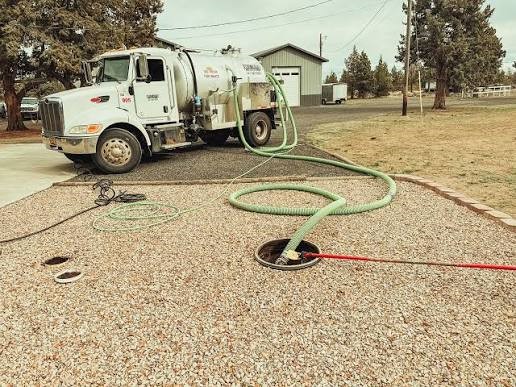
Then the lids come off. The inspector checks the liquid level, the depth of sludge and scum, and the condition of the baffles and tank walls. Cracks, leaks, and corroded parts get photographed. A liquid level that sits too high or too low often points to trouble with the outlet or the drain field.
Testing the Water Flow
Water now runs through the house while the inspector watches how the system responds. Some use dye to spot leaks or confirm where wastewater travels. A load test pushes extra water through to see whether the drain field can keep up. A system that looks fine at rest can struggle under real use. Anyone ordering a septic tank inspection in Ririe should ask whether this test is included.
Examining the Drain Field
The drain field handles the final treatment of wastewater, so it gets its own look. The inspector probes for saturated soil, checks the distribution parts, and compares what they see to the original design. A failing field is the costliest problem an inspection can uncover, which is why honest findings here are worth the fee.
Reading Your Report
A good report uses plain language. It lists what was checked, what was found, photos of problem areas, and a recommendation for each part of the system. Ask the inspector to walk you through anything unclear. Keep a copy with your property records, since lenders and future buyers often want to see it.
Common Red Flags
Cracked tanks, broken baffles, tree roots in the lines, standing water over the field, and sewage odors top the list. Sludge buildup beyond normal levels also shows up often. Not every flag means disaster. Some are small fixes, while others call for a plan. The report should tell you which is which.
What Happens If Something Fails
A failed inspection is information, not a verdict. Pumping, repairs, or partial replacement may solve the issue. In a sale, the findings can lead to price talks or repair credits. Get a written estimate for any work, and consider a second opinion before agreeing to a major replacement.
A follow-up inspection confirms the repair worked.
Cost and Timing
Most inspections take one to three hours, depending on access and the type of system. Fees vary with tank size, the tests included, and whether pumping is needed. Ask for a clear quote that lists exactly what is covered. Cheap rarely means complete.
Conclusion
In conclusion, a certified inspection takes the guesswork out of owning or buying a property with a septic system. It shows what is working, what is wearing out, and what to do next, before small issues turn into large bills.
At Open Range Septic Service, we carry out thorough, honest inspections that cover your records, tank, water flow, and drain field. Our team provides septic tank inspection in Idaho Falls and septic tank inspection Ririe with clear written reports. Call us today to schedule your certified septic tank inspection and know exactly where your system stands.
FAQs
Do I need an inspection when buying a home?
It is strongly recommended, and many lenders require one. It reveals problems before you take on the cost.
Does the tank have to be pumped before an inspection?
Sometimes, especially if the tank is full of buildup. Pumping lets the inspector see the walls and baffles clearly.
Do I need to be present during the inspection?
It is helpful but not required. Being there lets you ask questions and see problems firsthand.
What does a septic dye test show?
It shows whether wastewater is leaking or surfacing where it should not. Dye appearing in the yard points to a failing component.
How often should a septic system be inspected?
Every one to three years works for most households. Systems with heavy use may need checks more often.