
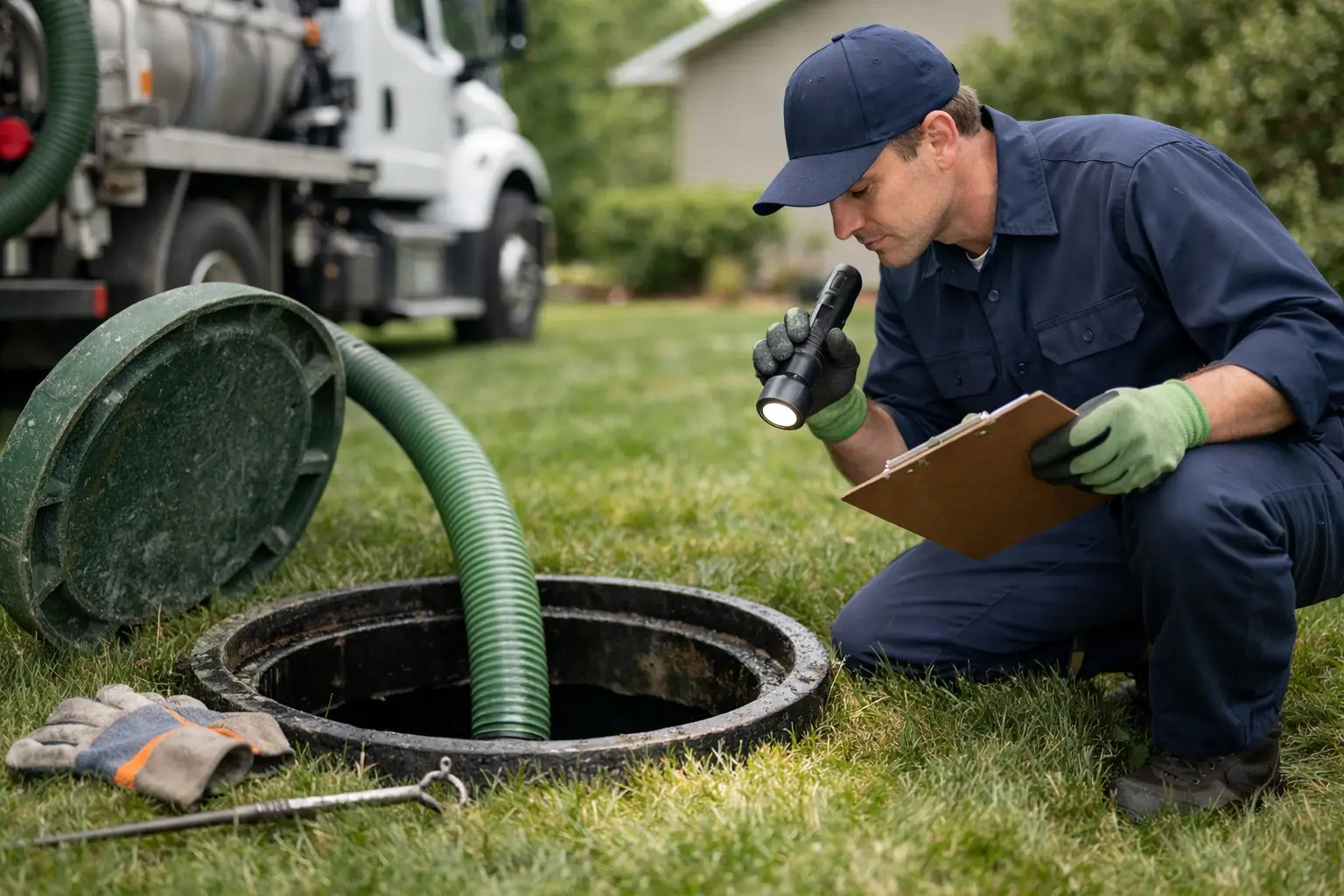
A septic tank inspection in Rigby is not just a quick look at a lid in the yard. It is a practical check of a system that handles wastewater every day, usually out of sight until something goes wrong. Whether you are buying a home, selling one, noticing slow drains, or simply unsure when the tank was last serviced, an inspection gives you real answers before a small issue becomes a messy and expensive one.
For Rigby homeowners, septic care is part of protecting the property. Systems vary by age, household size, soil conditions, and how well they have been maintained. A clear inspection helps you understand what is working, what needs attention, and whether pumping or repair should be planned now instead of postponed.
When a Septic Tank Inspection in Rigby Makes Sense
A septic inspection is commonly requested during a real estate transaction, but it is useful well beyond a sale. If you recently bought a home with a septic system, an inspection creates a starting point for maintenance. You will know the condition of the tank, the sludge level, and any visible concerns instead of relying on a previous owner’s memory.
It also makes sense when warning signs show up around the house or yard. Drains that gurgle, toilets that flush slowly, sewage odors, wet ground near the tank or drainfield, and unusually green patches of grass can all point to a problem. None of those signs automatically means the system has failed, but they are good reasons to have it checked promptly.
Routine inspections are especially helpful for households with changing water use. A growing family, frequent guests, a home-based business, or regular RV use can put more demand on a system than it was handling a few years ago. The right pumping schedule depends on the tank size and actual use, not a one-size-fits-all calendar.
What a Professional Inspection Looks At
A proper inspection starts with identifying the tank and access points, then opening the system safely for an accurate look inside. The technician checks the liquid level and measures the buildup of sludge and scum. Those measurements help determine whether the tank needs pumping now or can remain in service for a while longer.
The tank itself is also evaluated for visible concerns such as cracked components, deteriorated baffles, damaged risers or lids, and signs that wastewater may not be moving through the system as it should. Baffles matter because they keep floating solids and settled sludge in the tank, where they belong. When they are damaged or missing, solids can move toward the drainfield and cause trouble that is far more costly than routine service.
An inspection may also include checking the condition and function of accessible filters, inlet and outlet areas, and the general condition of the surrounding site. If there are signs of backup, surfacing wastewater, or a possible drainfield concern, the findings should be explained plainly. Not every issue is visible from the tank, and no honest provider should promise otherwise. But a hands-on inspection can identify clear red flags and help determine the sensible next step.
For a property sale, the inspection requirements can depend on the lender, buyer, seller, county expectations, and the condition of the system. Some transactions need a more specific report or certification than a routine maintenance visit. It is best to clarify the purpose of the inspection when scheduling so the service matches what the transaction requires.
Inspection and Pumping Are Related, but Not the Same
People often use the words interchangeably, but inspection and pumping serve different purposes. Pumping removes the accumulated solids and liquid from the tank. Inspection evaluates the condition of the system and helps identify whether anything needs attention.
In many cases, doing both at the same appointment is the most useful approach. Once the tank is pumped, the interior is easier to assess for cracks, baffle damage, and other problems hidden by wastewater. It can also save a homeowner from scheduling a second visit if the inspection shows the tank is already due for service.
Still, pumping is not automatically the answer to every septic concern. If a tank was recently pumped and a backup returns quickly, the problem may involve a blockage, damaged line, filter issue, or drainfield condition. That is why measurements and a careful assessment matter. Good septic service is not about selling work that is not needed. It is about finding the cause and explaining the options without pressure or guesswork.
How to Prepare for the Appointment
Homeowners do not need to do much before an inspection, but a little preparation helps the visit go smoothly. If you know where the tank lids are located, clear vehicles, patio furniture, planters, or other obstacles from the area. If the location is uncertain, a local service professional can often help identify it, though locating a deeply buried tank may take additional time.
It is also helpful to share what you know about the system. Bring up the last pumping date, prior repairs, household size, recent drainage issues, and any records from a previous owner. Even incomplete information can help form a clearer picture.
During the visit, keep pets inside or away from the work area and give the technician room to work safely. Septic lids and open tanks are serious safety hazards, so they should never be opened or entered by a homeowner. After service, the area should be left clean and the access points properly secured.
What the Findings Mean for Your Next Step
The best inspection report is one you can understand. You should leave knowing whether the tank needs pumping, whether a component needs repair, and whether any further evaluation is recommended. If the system is in good shape, you should also receive practical guidance on when to check it again based on your home’s use.
If a repair is recommended, ask what problem it addresses and how urgent it is. A worn riser or lid may be a manageable maintenance item. A damaged outlet baffle deserves timely attention because it protects the drainfield. Signs of wastewater surfacing or sewage backing up into the home are more urgent and should be addressed right away.
There are also everyday habits that protect the system between inspections. Use water reasonably, repair running toilets, spread laundry loads across the week, and keep wipes, grease, chemicals, and non-septic-safe materials out of drains. A garbage disposal can add solids to the tank quickly, so homes that use one often need more frequent pumping.
Local Service Matters When the System Cannot Wait
When septic trouble shows up, homeowners need a provider who can explain the issue clearly and respond when it counts. Open Range Septic Service LLC provides licensed inspection, sludge measurement, pumping, maintenance, and emergency support for Rigby-area property owners. As a family-owned, firefighter-owned company, the focus is straightforward: careful work, honest findings, and a property left in good order.
If you are due for maintenance, preparing for a sale, or concerned about a warning sign, do not wait for wastewater to force the decision. Schedule an assessment, get a clear picture of the system, and make the next move with confidence.