
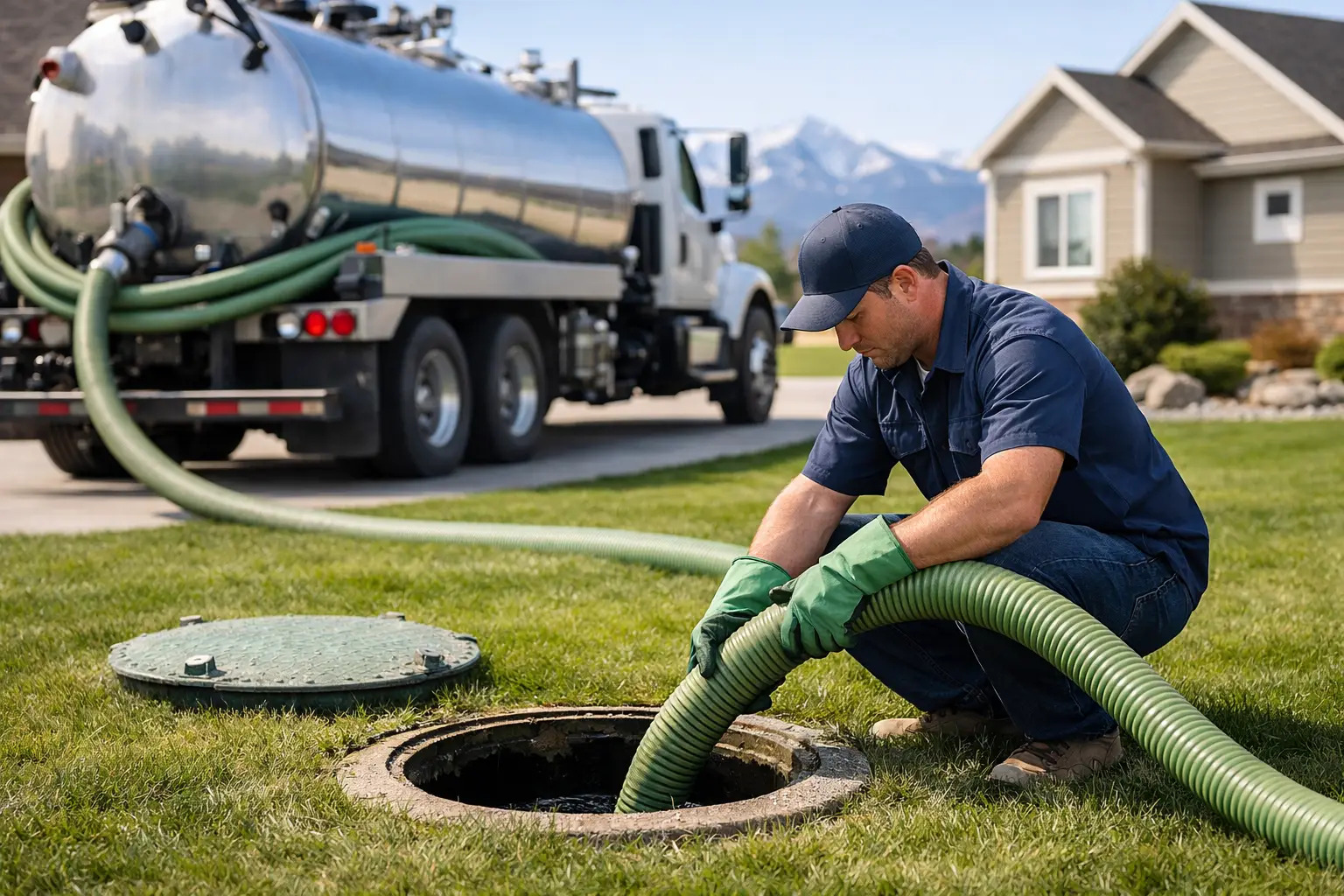
A septic system usually gives homeowners plenty of quiet service – until it does not. Slow drains, a sewage smell near the yard, or water backing up in a tub can turn a normal day into a stressful one fast. Timely septic tank pumping Rexburg homeowners schedule before those warning signs appear is one of the simplest ways to protect the system, the property, and the people living on it.
For homes around Rexburg, regular pumping is not a one-size-fits-all calendar task. Household size, tank capacity, water use, garbage disposal habits, and the age of the system all matter. The goal is not to pump more often than necessary. It is to measure what is happening in the tank, remove built-up solids before they create trouble, and leave you with real answers instead of guesswork.
When Septic Tank Pumping in Rexburg Is Due
Most residential septic tanks need pumping about every three to five years. That is a useful starting point, not a guarantee. A family of five with a smaller tank may need service sooner than a two-person household with a larger tank. A home with frequent guests, laundry-heavy weeks, or a garbage disposal can also fill the tank with solids more quickly.
The most dependable way to set a schedule is a sludge-level measurement. During an assessment, a septic professional can determine how much solid material has collected and whether the tank is approaching the point where pumping is needed. This is more useful than waiting for a problem or relying only on the date of the last service.
Do not wait for a backup if you can avoid it. By the time wastewater is coming up through a floor drain or toilet, the issue may involve more than a full tank. A blocked line, a damaged baffle, a filter that needs attention, or a drainfield problem can produce similar symptoms. Pumping is often part of the solution, but an accurate assessment keeps a homeowner from paying for the wrong fix.
Signs That Should Move Service Up the List
A sewage odor indoors or around the septic area deserves a prompt call, especially if it is new. Slow drains throughout the house, gurgling toilets, standing water near the tank or drainfield, and wastewater backing up are also signs to take seriously.
A single slow sink may be a local plumbing clog. Several slow fixtures at once point more strongly toward a main-line or septic issue. If you are unsure, a local assessment can separate a routine maintenance visit from an urgent repair situation without pressure or guesswork.
What Happens During a Professional Pump-Out
A careful septic appointment should be straightforward. First, the technician confirms the tank location, access conditions, and the reason for the visit. If the lid is buried or the system layout is unfamiliar, locating the tank safely is part of the work. Homeowners should never enter a septic tank or lean over an open tank. The gases inside can be dangerous, even when the tank looks harmless from the surface.
Once access is established, the technician checks the tank condition and measures the sludge and scum layers as needed. The tank is then pumped thoroughly, not just skimmed from the top. A complete pump-out removes liquid, floating material, and settled solids so the tank can return to normal operation.
The visit is also a chance to look for visible concerns such as damaged risers, baffles, lids, or filters. Not every tank has the same components, and not every concern requires immediate repair. A good provider explains what was found, what it means for the system, and which items are urgent versus worth monitoring.
After the work is complete, the area should be left clean and secure. The lid must be properly replaced, and the property should look like a service crew was there to help, not create another project for the homeowner. Open Range Septic Service brings that same disciplined approach to routine maintenance and emergency calls across eastern Idaho.
Rexburg Conditions That Affect Septic Care
Eastern Idaho winters add a practical concern: access. Snow, frozen ground, and icy driveways can make it harder to reach buried lids or position service equipment. Pumping can still be performed in winter, but calling before an emergency gives everyone more options. If you know the approximate tank location, keeping that area free of parked vehicles, heavy stored materials, and permanent landscaping features helps year-round.
Spring thaw can reveal issues that were less obvious during winter. Extra moisture in the soil may make a stressed drainfield show itself through soft ground, odors, or surface water. That does not automatically mean the drainfield has failed. It does mean the system should be assessed instead of ignored.
Water use matters in every season. Septic systems need time to separate solids and send treated liquid through the drainfield. Sending several days of heavy laundry, long showers, and dishwasher loads through the system at once can overload it temporarily. Spreading out high-water activities is a small habit that can make a meaningful difference.
Protect the Tank Between Pumping Visits
Septic maintenance is less about expensive additives and more about sensible daily use. The tank already contains the natural bacteria needed to process household wastewater. Most systems do not need chemical treatments marketed as miracle fixes, and harsh products can create problems of their own.
Keep grease, cooking oil, paint, solvents, medications, wipes, feminine products, paper towels, and cat litter out of drains and toilets. Even products labeled “flushable” do not break down like toilet paper and can contribute to clogs. A garbage disposal is convenient, but it sends more solids into the tank. Homes that use one regularly often benefit from a shorter pumping interval.
Outside, protect the drainfield from compaction. Do not drive, park, build, or place heavy equipment over the tank or drainfield area. Deep-rooted trees should also be considered carefully, since roots can work their way into pipes and components over time. Direct roof runoff, sump discharge, and other excess water away from the septic area whenever possible.
Pumping, Inspection, or Emergency Service?
These services overlap, but they are not identical. Pumping removes accumulated waste from the tank. An inspection evaluates the accessible parts of the system and documents its condition, which is especially helpful for real estate transactions, new property owners, or anyone without service records. Sludge-level measurement can help determine whether pumping is needed now or can be scheduled later.
Emergency service is for active backups, overflows, strong sewage odors, or a situation that cannot wait for normal scheduling. If sewage is backing into the house, limit water use immediately. Avoid running laundry, showers, dishwashers, and repeated toilet flushes until the issue has been assessed. Keep children and pets away from any standing wastewater outside.
RV owners have a different but related need. Black-tank and gray-tank pump-outs should be handled before tanks overflow or storage becomes a sanitation issue. Whether the tank is beneath a home or inside an RV, the right service starts with knowing what needs to be removed and where it can be handled properly.
A Better Way to Plan Your Next Service
If you have records from the last pump-out, start there. Note the date, household size, tank size if known, and any changes since then, such as a growing family, a home addition, or more frequent guests. If you do not have records, that is common. An on-site assessment can establish a baseline and give you a practical maintenance plan.
Before the appointment, make the access route as clear as possible and let the provider know about gates, pets, buried lids, steep terrain, or concerns you have noticed. Clear details help the crew arrive prepared and help you get a more accurate answer on the first visit.
A septic system is easy to forget when it is working well. Keeping it that way comes down to timely service, honest evaluation, and a provider who treats your property with respect. A quick call before the warning signs become an emergency can save a great deal of stress later.