
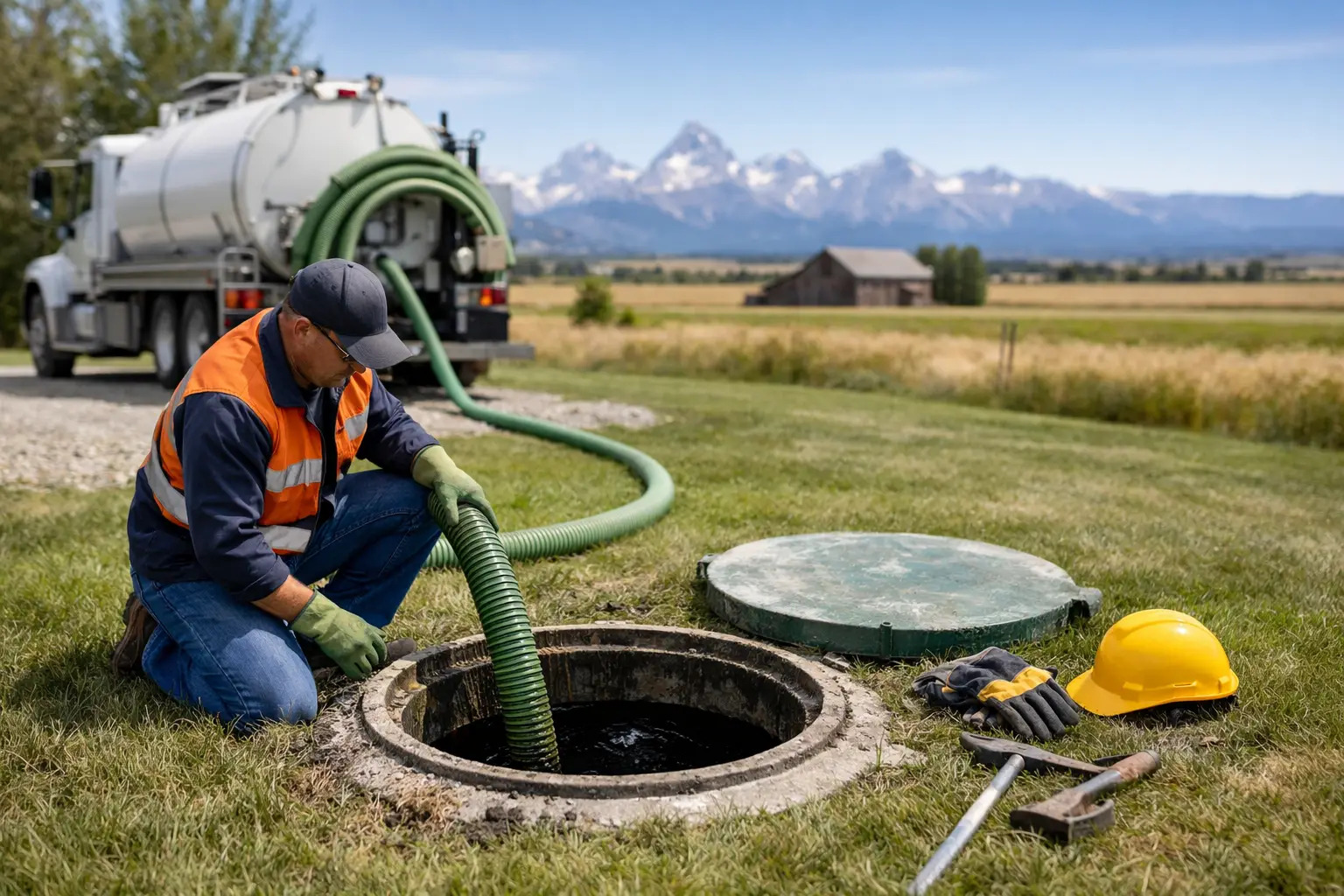
A septic inspection is one of those appointments that can feel optional until a sale, backup, odor, or wet spot makes it urgent. Understanding septic tank inspection cost ahead of time helps eastern Idaho homeowners schedule service on their terms, ask the right questions, and avoid paying for guesswork when a system needs attention.
The price is not one flat number for every property. A simple inspection on an accessible, well-maintained tank is very different from a certified real-estate inspection on a rural property with buried lids, unclear records, or signs of a drainfield problem. The goal is not to find the cheapest visit. It is to get a clear assessment of what is working, what needs service, and what should be watched next.
What Septic Tank Inspection Cost Covers
A professional inspection starts with locating and accessing the tank, then checking the parts that tell the real story of the system. Depending on the purpose of the visit, that can include measuring sludge and scum levels, checking the tank structure, looking at inlet and outlet baffles, evaluating filters when present, and reviewing visible conditions around the drainfield.
For many homeowners, the most useful inspection is paired with a pump-out. Pumping gives the technician a better view inside the tank and removes the buildup that can move toward the drainfield if left too long. If the tank is due for service anyway, combining the appointments can be more practical than paying for separate visits later.
A certified inspection for a property transaction may go further. Buyers, sellers, lenders, and local requirements can call for documented findings, tank location information, system measurements, or a written report. That extra documentation and time are part of why a certified inspection may cost more than a basic maintenance check.
What Changes the Price of a Septic Inspection?
The biggest cost factor is usually access. A tank lid sitting near the driveway is quicker to inspect than one buried under several inches of soil, landscaping, a deck, or a structure. Locating a tank can also take time when property records are incomplete or a homeowner is new to the system.
Tank size and system design matter as well. Larger tanks, multiple tanks, pump systems, effluent filters, distribution boxes, and advanced treatment components all add items that may need to be checked. A standard gravity system is generally more straightforward than a system with electrical controls and pumps.
The reason for the inspection also affects the scope. A routine sludge-level measurement is focused and efficient. An inspection prompted by slow drains, sewage odors, standing water, or a suspected backup may require a broader assessment. The technician may need to determine whether the issue is inside the home plumbing, at the tank, or in the drainfield.
Travel and site conditions can play a role in eastern Idaho, especially for rural properties. Snow cover, frozen ground, muddy access roads, gates, livestock areas, and tight equipment access can change how long a visit takes. None of that means service cannot be completed. It simply means an honest estimate should account for the actual property, not an ideal version of it.
Finally, emergency timing may change the cost. A scheduled weekday inspection is different from a late-night call for a sewage backup. Emergency service is valuable when it prevents more damage and stress, but routine maintenance is almost always easier to plan and budget for.
Inspection, Pumping, and Repair Are Different Services
These terms are often used together, but they are not interchangeable. An inspection tells you the condition of the system at that point in time. Pumping removes accumulated solids and wastewater from the tank. Repair addresses a failed or damaged component.
A tank can pass a visual inspection and still be due for pumping based on sludge levels. On the other hand, pumping an overfull tank may provide immediate relief but does not automatically solve a drainfield problem. If wastewater is surfacing in the yard or backing up shortly after service, the system needs a closer look.
This is where clear communication matters. Ask whether the quoted visit includes an inspection only, a pump-out only, or both. If a technician finds a broken baffle, damaged lid, clogged filter, or suspected drainfield issue, ask what is included in the current service and what would be quoted separately. No surprises, no shortcuts.
When a Lower Quote May Not Be a Better Value
Comparing estimates is smart, but compare the scope of work instead of the first number alone. A low inspection price may not include uncovering a lid, locating the tank, measuring solids, documenting findings, or checking the components needed for a real-estate transaction.
Before booking, get clear answers about what the service includes, whether the provider is licensed for the work, and whether you will receive findings after the appointment. For a sale or purchase, confirm that the inspection meets the requirements of the party requesting it. A report that does not satisfy a lender, buyer, or county requirement can lead to a second appointment and another bill.
It also helps to ask how added work is handled. If the lid is buried deeper than expected or the system has an extra tank, a professional provider should explain the situation before moving ahead. A straightforward conversation on-site is better than a vague invoice afterward.
How to Keep Future Inspection Costs Predictable
The best way to control septic costs is to avoid treating the system as invisible. Keep a simple record of pumping dates, inspections, repairs, and any notes about tank size or lid location. If you do not have records, an inspection is a good time to start them.
Protect access to the tank. Avoid building permanent structures over lids or driving heavy vehicles across the tank and drainfield. If landscaping has covered the access point, consider marking the location for future service. This saves time at the next appointment and makes emergency response faster if a problem develops.
Use water thoughtfully, particularly in a busy household. Long stretches of heavy laundry, guests, leaking toilets, and unusually high water use can overload a system that otherwise appears fine. Keep grease, wipes, hygiene products, chemicals, and other non-septic-safe materials out of drains and toilets. A septic tank is designed to separate and treat household wastewater, not handle everything that can fit down a pipe.
Regular inspections are especially useful for homeowners who have just purchased a property, rent out a home, use a seasonal cabin, or have an older system with limited history. The right interval depends on household size, water use, tank capacity, and past pumping results. A technician can recommend a realistic schedule based on measurements rather than a one-size-fits-all rule.
Signs You Should Schedule an Inspection Soon
Do not wait for a full backup if the system is sending early warnings. Slow drains throughout the house, gurgling toilets, sewage odors outdoors, unusually green or wet areas near the drainfield, and wastewater surfacing in the yard all deserve prompt attention. One slow sink may be a local plumbing issue. Multiple fixtures acting up at once can point to the septic system.
For a home sale, schedule early rather than waiting until the closing timeline is tight. If the inspection identifies needed pumping, a filter cleaning, or a repair, you will have time to make informed decisions without pressure. The same applies before major landscaping, driveway work, or construction near a septic system.
Open Range Septic Service LLC provides local inspections, sludge-level measurements, pump-outs, and emergency response throughout eastern Idaho. A clear assessment gives homeowners real answers about their system and a practical next step, whether that means routine maintenance today or closer attention to a developing issue.
A septic inspection should leave you with more than a price. It should leave you knowing where your system stands, what service it needs now, and what you can do to keep a small maintenance visit from becoming a stressful emergency.