
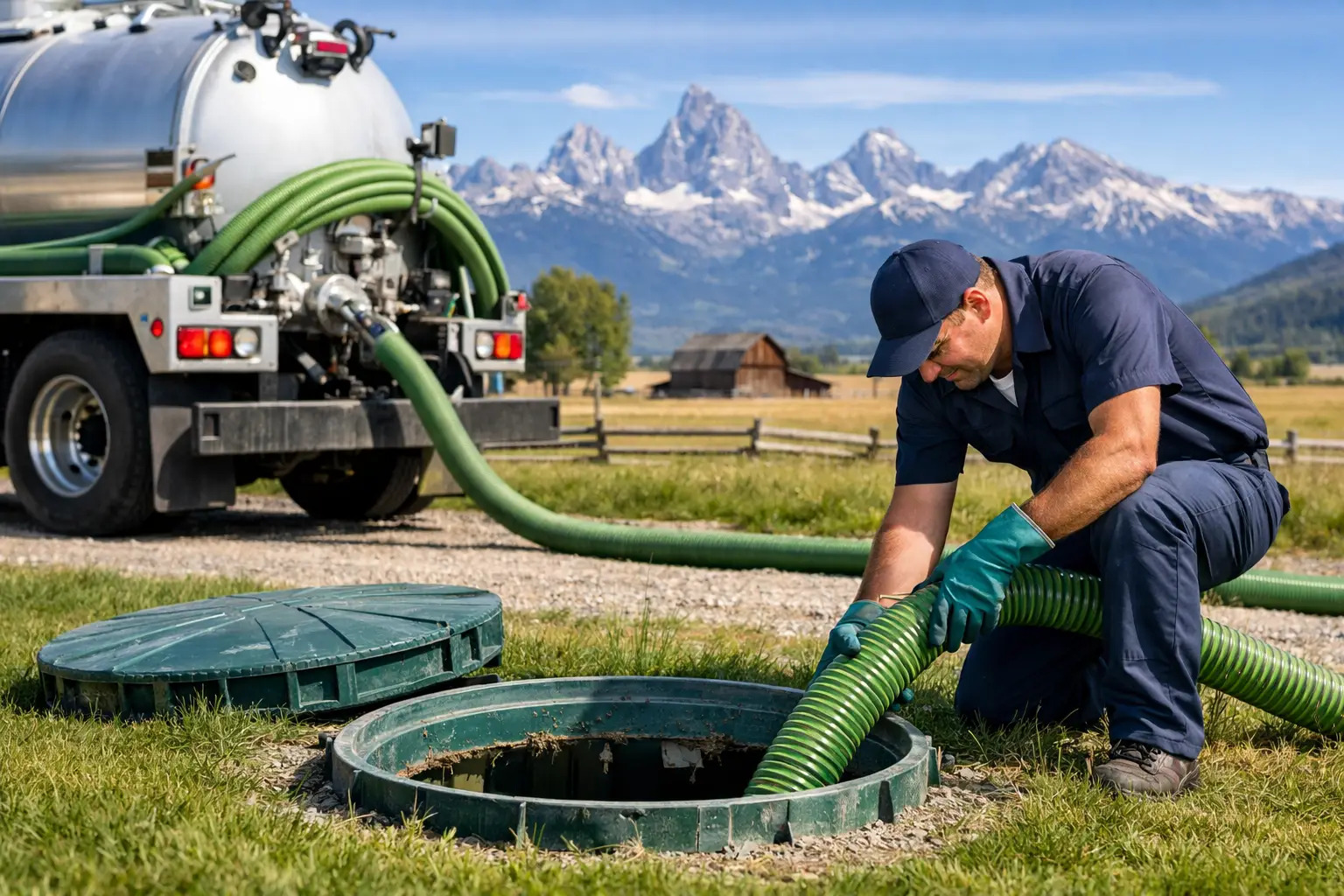
A septic problem rarely starts with a dramatic backup. More often, it starts with a slow drain after a busy weekend, a toilet that gurgles when the washer runs, or an odor near the tank area that was not there last month. Getting septic service Driggs Idaho homeowners can trust means addressing those early signals before they become a messy, expensive problem.
For homes around Driggs, septic systems work hard through changing seasons, visiting family, vacation rentals, and the day-to-day demands of rural living. A tank that is maintained on schedule can do its job quietly for years. A tank that is ignored may eventually push solids toward the drain field, where repairs become far more involved than a routine pump-out.
When to Schedule Septic Service in Driggs Idaho
The best time to call is before wastewater comes back into the house. Routine pumping removes the sludge and floating scum that naturally build up inside a septic tank. Those materials do not disappear on their own, and household cleaners do not replace professional service.
Many households benefit from pumping every three to five years, but that range is only a starting point. The right interval depends on tank size, the number of people using the system, water use, garbage disposal habits, and whether the home is used full-time or seasonally. A smaller tank serving a busy family may need attention sooner. A lightly used cabin with a larger tank may have a different schedule.
Rather than guessing, have the tank measured. A sludge-level measurement gives you a clearer picture of what is happening inside the system and helps you plan maintenance without pressure or guesswork. It is a practical option for homeowners who do not know when the tank was last pumped or who recently purchased a property.
Warning Signs That Should Not Wait
A single slow drain can be a plumbing issue, but several symptoms at once often point toward the septic system. Pay attention when toilets flush sluggishly, drains gurgle, wastewater appears near the tank or drain field, or sewage odors linger outdoors. Bright green or unusually wet ground over the drain field can also signal that the system is under strain.
If sewage is backing up into sinks, tubs, showers, or floor drains, treat it as an urgent situation. Limit water use immediately. Do not keep flushing, run the dishwasher, or start a load of laundry in hopes that the problem will clear. More water can make the backup worse and create unnecessary cleanup inside the home.
Open Range Septic Service LLC provides emergency response because septic trouble does not wait for business hours. The goal is to assess the situation quickly, pump where appropriate, explain what was found, and help protect your home and property from further damage.
What a Professional Septic Visit Looks Like
Septic service should feel straightforward. You should know who is coming, what they are checking, and what happens after the truck leaves. No surprises, no shortcuts.
The process usually begins with a conversation about your system and the reason for the visit. If you know the tank location, approximate size, prior service date, or have an as-built record, that information can help. If you do not have those details, that is common. A field assessment can help locate and evaluate the system.
Once the tank is accessed, the technician checks the contents and condition of the tank. Pumping removes accumulated liquids, sludge, and scum so the tank can be properly evaluated. This is also a good time to look for issues such as damaged lids, unusual buildup, inlet or outlet concerns, and signs that the system may need closer attention.
A careful contractor respects the property around the tank. That means using practical access methods, keeping the work area organized, and leaving the site clean once the service is complete. Septic work is not glamorous, but it should still be professional from arrival through cleanup.
Afterward, you should receive clear findings and realistic guidance. Sometimes the answer is simple: keep the next pump-out on the calendar and avoid overloading the system. Other times, a measurement or inspection may show that a component needs attention. Good service means explaining the difference without trying to sell work that is not needed.
Pumping, Inspections, and Measurements Serve Different Jobs
These services are related, but they are not interchangeable. A pump-out is maintenance. It removes the material that has accumulated in the tank and helps prevent solids from reaching the drain field.
An inspection is more detailed. It may be needed when buying or selling a property, managing a rental, documenting system condition, or investigating a recurring concern. Certified septic inspections can give homeowners, buyers, sellers, and real-estate professionals a clearer understanding of what they are dealing with before a decision is made.
A sludge-level measurement is often useful when the question is timing. If the system seems to be working normally but you are unsure whether pumping is due, measuring the tank can help avoid both overdue service and unnecessary pumping. For a newer homeowner, this can be a smart first step toward building a maintenance record.
The right choice depends on the situation. If you have an active backup, the priority is emergency assessment and service. If you are purchasing a home, an inspection may be the better fit. If there are no warning signs and you simply want to manage the system responsibly, a measurement may provide the information you need.
Protecting Your Septic System Between Visits
A septic system is built to handle normal household wastewater, not everything that can fit down a drain. Small everyday choices make a real difference over time.
Use water wisely, especially when the ground is saturated or the household is busy. Spread laundry loads across the week instead of doing several back-to-back. Repair leaking toilets and faucets. A slow leak can send hundreds of extra gallons into the system over time, taking up capacity that your tank and drain field need.
Keep grease, cooking oil, wipes, paper towels, feminine hygiene products, dental floss, coffee grounds, and harsh chemicals out of sinks and toilets. Products labeled “flushable” are often not septic-friendly in the practical sense. They can collect in pipes, affect pumps, and add material that does not break down as easily as toilet paper.
Protect the drain field, too. Do not park vehicles, store heavy equipment, or build structures over it. The soil beneath the field needs room to absorb and treat wastewater. Compacted soil and damaged lines can reduce that ability. Direct roof runoff and surface water away from the field when possible, since excess water can keep the soil too wet to work properly.
Driggs Properties Have Their Own Considerations
Driggs homeowners often balance rural property needs with mountain weather and seasonal occupancy. Cold temperatures can make access and scheduling more challenging, but winter is not a reason to postpone a system that needs attention. Waiting on an overfull tank can leave a household with fewer options if conditions worsen.
For part-time homes, vacation rentals, and guest-heavy properties, usage can change quickly. A tank that was adequate for occasional weekends may need a new maintenance plan once the property is used more often. Landlords and property owners benefit from keeping service records, especially when different tenants or guests use the home throughout the year.
RV owners also need the right kind of help. Black-tank and grey-tank pump-outs require proper handling and disposal, whether the RV is at a residence, a seasonal site, or another local location. It is a specialized service, but the same standard applies: clear communication, careful work, and a clean area afterward.
A Simple Way to Stay Ahead
Keep a record of each pump-out, inspection, or measurement, including the service date and any recommendations. If you are new to the property, start that record now. Even a basic note on your phone can make future scheduling easier and help a technician understand the history of your system.
If you are noticing slow drains, odors, wet ground, or an unfamiliar tank that has not been checked in years, do not wait for a backup to force the issue. A quick local assessment can replace uncertainty with real answers and help keep your Driggs home running the way it should.