The first time you hear a gurgle from a drain or notice a wet patch in the yard, a septic system can feel like a mystery buried in the ground. This new homeowner septic system guide gives eastern Idaho homeowners a clear starting point: know what you own, protect the drainfield, and address warning signs before they become a messy emergency.
A septic system is not complicated once you understand its job. It separates solids from wastewater, holds the solids in the tank, and sends treated liquid to a drainfield where the soil finishes the treatment process. It works quietly for years when it is used properly and maintained on schedule. When it is ignored, repairs can get expensive fast.
Start With the Records and the Tank Location
Before changing your household routine, learn the basics of your specific system. Your closing documents, county records, prior inspection report, or seller disclosures may show the septic tank location, tank size, drainfield area, and the date of the last pumping. If you cannot find that information, a professional inspection and measurement can establish a dependable baseline.
Knowing where the tank and drainfield are matters for more than future service. Keep heavy vehicles, trailers, sheds, livestock, and construction materials off both areas. A tank lid or pipe can crack under excess weight, while compacted soil over a drainfield can limit its ability to handle wastewater.
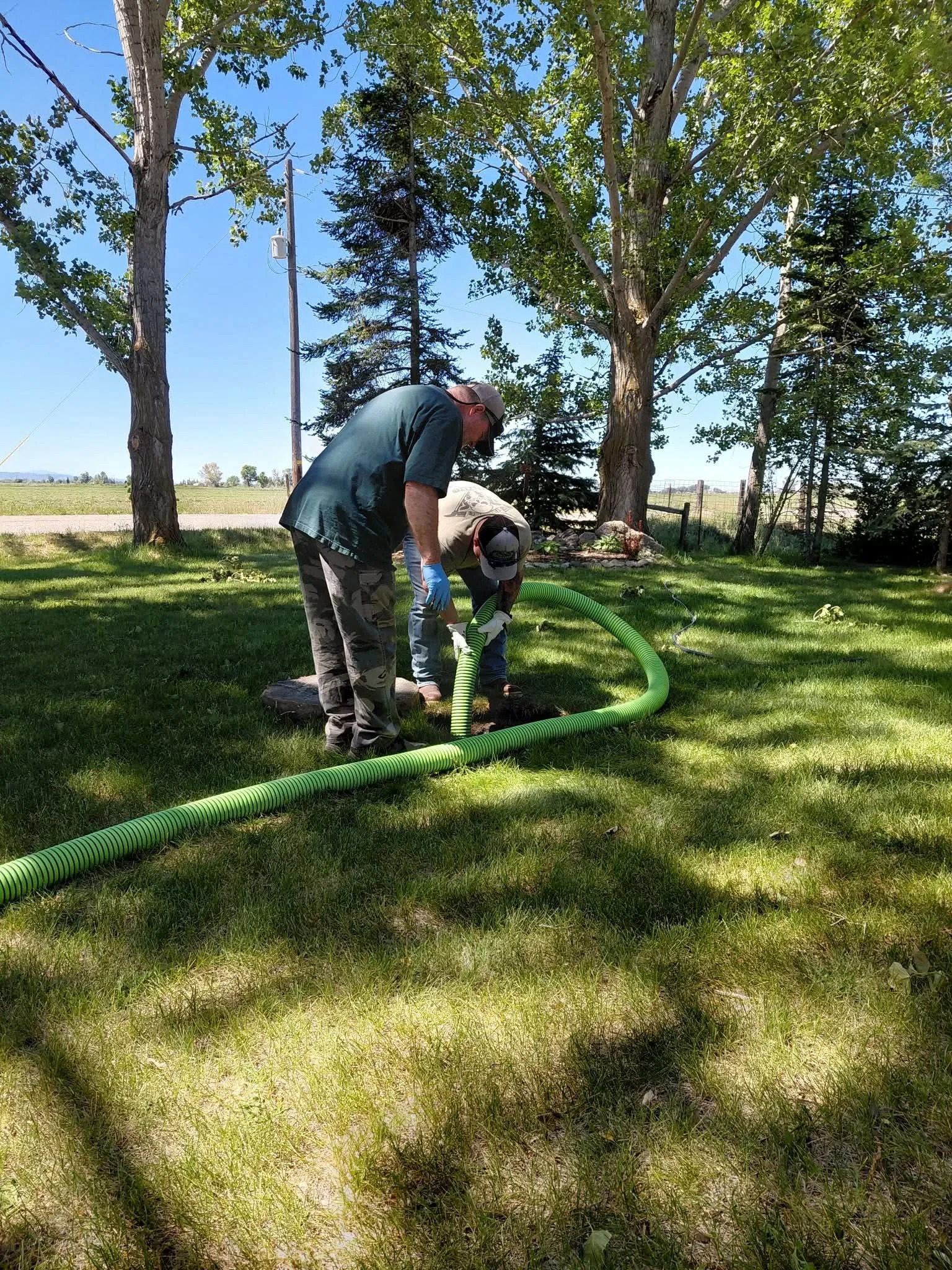
Look for the tank access lids, but do not open them yourself. Septic tanks contain dangerous gases, and an unsecured lid is a serious safety hazard for children, pets, and adults. A licensed technician can locate the components, check their condition, and leave the site secure.
How Your Septic System Works Day to Day
Every flush, shower, laundry load, and sink drain sends wastewater to the tank. Inside, heavy solids settle at the bottom as sludge. Grease and lighter material float to the top as scum. The clearer liquid in the middle flows out toward the drainfield.
The tank is designed to hold solids, not make them disappear. Over time, sludge and scum build up. If they reach the outlet level, solids can move into the drainfield and clog the soil. Pumping the tank removes those solids before they cause trouble.
Your drainfield is the part homeowners most need to protect. It depends on healthy, open soil. Once a drainfield is damaged by solids, compaction, flooding, or too much water, pumping the tank alone may not solve the problem. That is why smart daily habits and regular service go together.
A New Homeowner Septic System Guide to Pumping
Many households should plan on septic pumping every three to five years, but that is a starting range, not a promise. A small tank serving a large family may need service more often. A larger tank used by one or two people may go longer. Garbage disposal use, frequent guests, high water use, and the condition of the system all affect the schedule.
The best approach is to have the sludge and scum levels measured rather than waiting for a calendar reminder or a backup. Measurement shows how full the tank actually is and helps set a maintenance schedule based on your household. It also gives you a chance to spot worn baffles, damaged risers, or other issues before they turn urgent.
If you just bought a home and cannot verify the last pump-out, scheduling an inspection or pumping visit is often the practical choice. It removes guesswork and gives you documented information for your records. No surprises, no shortcuts.
What Should Never Go Down the Drain
A septic system is not a trash can. The safest rule is simple: flush only human waste and toilet paper, and keep kitchen and bathroom drains free of products that do not break down properly.
Avoid sending these materials into the system:
- Wipes labeled flushable, paper towels, tissues, cotton products, dental floss, and disposable cleaning pads
- Grease, cooking oil, coffee grounds, food scraps, and large amounts of fats from cooking
- Paint, solvents, pesticides, motor oil, medications, harsh chemicals, and pool chemicals
- Cat litter, diapers, feminine hygiene products, and cigarette butts
A garbage disposal deserves special attention. It adds extra solids to the tank, including food waste that can build up quickly. You do not necessarily have to stop using one, but if your home has a septic system, scrape plates into the trash or compost first and expect more frequent pumping if the disposal sees regular use.
Normal household cleaners used in reasonable amounts are usually not the issue. The bigger concern is pouring concentrated chemicals or large quantities of bleach and disinfectant down the drain. Septic additives and miracle treatments are not a substitute for pumping, either. If a product promises to eliminate pumping needs, be skeptical.
Manage Water Before It Manages You
Too much water entering the system at one time can push wastewater through the tank before solids have enough time to settle. That puts extra strain on the drainfield. Eastern Idaho homes with large families, busy laundry days, and visiting relatives can run into this without realizing it.
Spread laundry across the week when possible instead of running several loads back to back. Repair dripping faucets and running toilets promptly. Choose high-efficiency fixtures when you replace old ones, and direct roof runoff, sump pump discharge, and irrigation away from the tank and drainfield.
Water softeners can be part of the equation, particularly in areas with hard water. The impact depends on the unit, regeneration schedule, household use, tank size, and local site conditions. If you are concerned about a softener’s discharge, ask a septic professional to evaluate the whole setup rather than relying on a one-size-fits-all answer.
Warning Signs That Call for Fast Service
A septic issue rarely improves by waiting. Call for an assessment if toilets flush slowly, drains gurgle, sewage odors develop indoors or outdoors, or multiple fixtures begin backing up. A bright green, soggy, or unusually wet patch over the drainfield can also point to a problem, especially when there has not been enough rain to explain it.
One slow sink could be a local plumbing clog. Several slow drains at once are more likely to involve the septic system or the main line. If sewage is backing up into tubs, showers, or floor drains, reduce water use immediately. Stop laundry, avoid showers, and do not keep flushing to test the toilet. More water can make the backup worse.
A professional visit should include more than simply removing waste. The technician should assess access, measure tank levels when appropriate, pump carefully, look at visible components, explain the findings, and leave the property clean. Open Range Septic Service LLC provides that straightforward, local approach across eastern Idaho, including emergency response when the situation cannot wait.
Protect the System Through Idaho Weather
Idaho winters add a few practical concerns. Deep snow can make access harder, so keep a record of your tank location and avoid building permanent landscaping features over lids. Insulation from snow and grass usually helps protect underground components, but exposed pipes, shallow systems, and vacant homes can be more vulnerable to freezing.
Do not leave water running constantly to prevent freezing unless a qualified professional tells you to do so. That can overload the system. Instead, fix air leaks around plumbing, maintain normal indoor heat, and address slow drains before severe cold arrives.
In spring, snowmelt and saturated ground can put pressure on a drainfield. Keep vehicles and extra water away from the area, and watch for standing water or odors. If your system seems stressed during wet conditions, get an assessment early rather than assuming it will correct itself after the ground dries.
Keep a Simple Septic File
Save pump-out invoices, inspection reports, tank measurements, repair notes, permits, and a sketch or photo showing component locations. Add the dates of major changes to the home, such as an added bedroom, a new water softener, or a finished basement with another bathroom. Those details help a technician make a more accurate recommendation years from now.
A septic system does not need constant attention. It needs informed ownership, reasonable water use, and service before the tank is overloaded. A little recordkeeping and a timely call can protect your yard, your home, and your peace of mind when the ground beneath it is doing the work it was designed to do.