
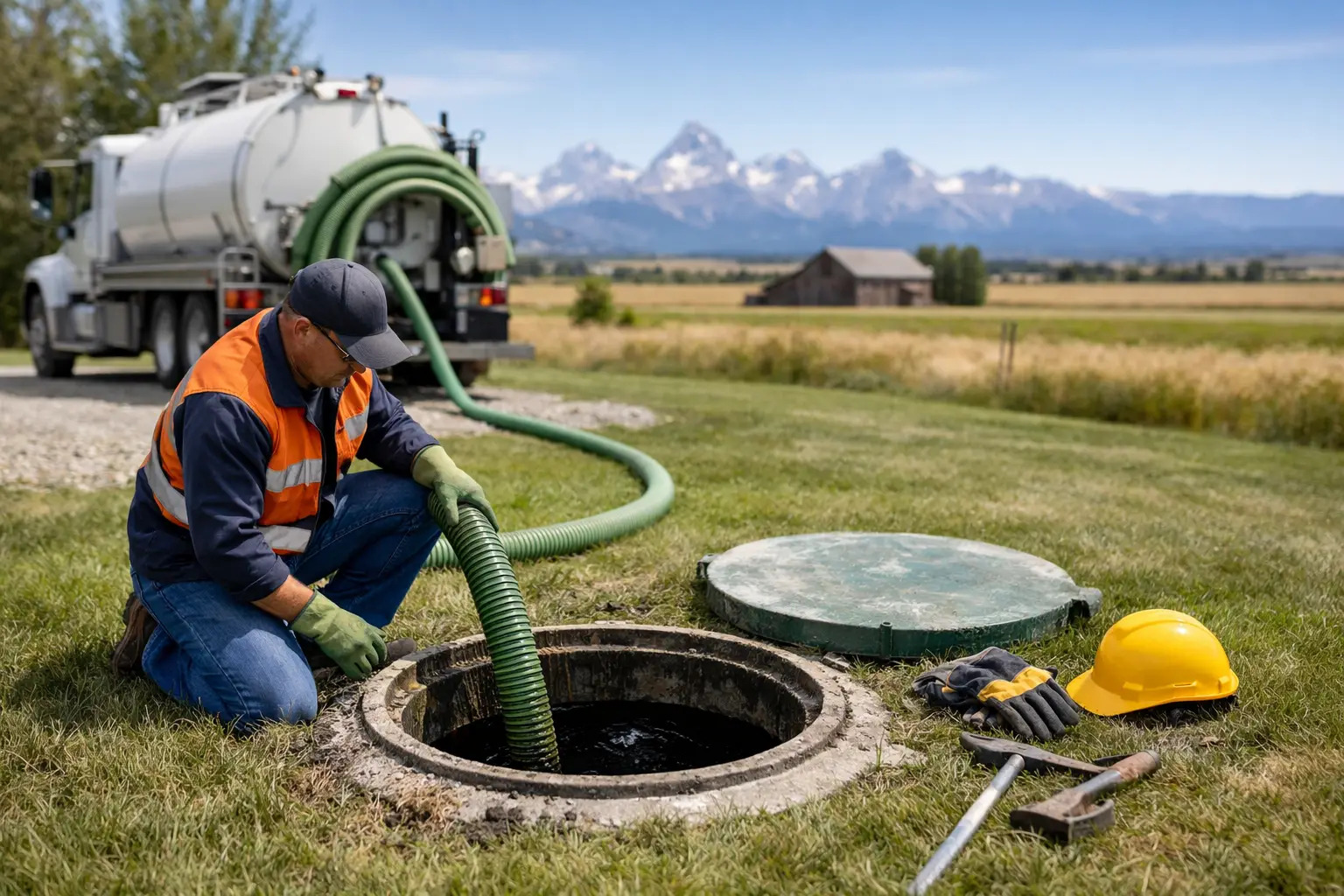
A septic problem rarely waits for a convenient afternoon. Maybe the drains have slowed down, a wet spot has appeared over the drainfield, or you are buying a home with a system you do not yet understand. In those moments, septic contractors should offer more than a truck and a pump. You need clear answers, careful work, and someone who treats your property like it matters.
For eastern Idaho homeowners, choosing the right provider can make routine maintenance straightforward and keep a small warning sign from becoming a messy, expensive problem. The best choice depends on the work you need, the condition of your system, and how well the contractor explains the next step without pressure or guesswork.
What Good Septic Contractors Actually Do
A septic contractor’s job is not simply to remove waste from a tank. A qualified local provider helps you understand what is happening below ground and what your system needs next. That can include routine tank pumping, sludge-level measurement, certified inspections, locating accessible components, and responding when the system backs up or shows signs of failure.
For a standard pump-out, the crew should assess the tank before getting started, pump it thoroughly, and leave the work area clean. If they spot concerns such as unusually high liquid levels, damaged baffles, a full filter, or signs that wastewater is not moving as it should, they should explain what they found in plain language. A good contractor does not turn every service call into a sales pitch, but they also do not ignore a problem that could cost you later.
Inspection work calls for a little more detail. Buyers, sellers, landlords, and property owners may need certified findings that document the tank’s condition and identify visible concerns. Ask what the inspection includes, whether the tank will be pumped as part of the visit, and what documentation you will receive afterward. A vague verbal opinion is not the same thing as a clear inspection report.
Start With Licensing, Experience, and Local Knowledge
Septic work is specialized. The system is buried, conditions differ from one property to the next, and a mistake can affect your home, yard, well water, or a real estate transaction. Start by confirming that the contractor is licensed for the service you need and operates in your area.
Local experience matters in eastern Idaho because soil conditions, winter weather, rural access, older systems, and newer subdivisions can all change the job. A contractor familiar with Idaho Falls, Rexburg, Rigby, Blackfoot, Driggs, Swan Valley, Shelley, and Ririe will better understand the practical details that can affect scheduling and service. That does not mean every system is the same. It means the crew arrives prepared to assess your specific property rather than relying on assumptions.
It is also reasonable to ask how long the company has performed septic services, whether it handles emergency calls, and who will be doing the work. Direct answers are a good sign. If a company cannot clearly explain its qualifications or avoids basic questions, keep looking.
Ask What Happens During the Visit
A reliable service appointment should not feel mysterious. Before you schedule, ask the contractor to walk you through the process. You should know whether you need to uncover the tank lids, move vehicles, secure pets, or provide access through a gate. If the tank location is unknown, ask whether they can help identify it and what that may involve.
The actual visit generally follows a sensible sequence: you call or schedule, the contractor assesses the system and access, the work is completed, and you receive findings and maintenance guidance. That straightforward process is especially valuable when the tank is overfull or a backup has your household stressed.
Clear communication also prevents misunderstandings about scope. Pumping a tank is different from repairing a broken line. Measuring sludge is different from certifying an inspection. If the visit reveals an issue outside the original service, the contractor should explain the concern, the available options, and any additional cost before moving forward whenever conditions allow.
Know the Difference Between Routine Service and an Emergency
Most septic tanks need pumping on a regular schedule, but the right interval depends on tank size, household size, water use, and what enters the system. A family of five using a smaller tank may need service sooner than a couple with conservative water use. Garbage disposals, frequent guests, and heavy laundry use can also add to the load.
Do not wait for a backup to make your first call. Routine pumping gives a contractor the chance to see the tank under controlled conditions and lets you plan ahead. Keep a record of service dates, inspection findings, and any repairs. That history is helpful when you sell the property, notice a change in performance, or need to establish a maintenance schedule.
An emergency is different. Sewage backing up into tubs or floor drains, wastewater surfacing in the yard, strong sewage odors, or toilets that will not flush can all justify calling right away. In that situation, reduce water use immediately. Do not keep running laundry, taking long showers, or sending more water into a system that may already be overloaded.
A 24/7 provider is valuable because septic trouble does not follow business hours. Still, an emergency response is not a substitute for ongoing care. Once the immediate situation is under control, ask what likely caused the problem and what steps can reduce the chance of another one.
Compare Septic Contractors Without Chasing the Lowest Number
Price matters, and homeowners deserve transparent expectations. But the lowest quote is not always the lowest total cost. An unusually cheap estimate may leave out access challenges, disposal, inspection details, filter service, or the time required to do the job properly.
When comparing contractors, ask what is included in the quoted service and what could create an added charge. You do not need a complicated spreadsheet. You need a plain answer about the scope of work, the expected price, and how the company handles unexpected conditions.
Look for a provider that respects the property as well as the system. Septic work can involve hoses, equipment, gates, landscaping, and sometimes difficult access. Careful crews protect the work area, communicate before making a mess, and clean up when they are done. That level of care is not an extra. It is part of professional service.
Availability and accountability should factor into the decision, too. A local, family-owned company has a direct stake in its reputation with neighbors. At Open Range Septic Service, the firefighter-owned approach carries the same expectation customers want in an urgent home-service call: show up prepared, stay calm, explain the situation, and do the job right.
Questions Worth Asking Before You Book
A short conversation can tell you a great deal about a contractor. Ask whether they are licensed, whether they provide the specific service you need, and what the appointment includes. If you need an inspection for a sale or purchase, confirm the certification and paperwork requirements before the visit is scheduled.
You can also ask how soon they can respond, what preparation is needed from you, and whether they offer emergency service. For RV owners, make sure the company specifically handles black-tank and grey-tank pump-outs rather than assuming every septic provider offers them.
Pay attention to how you are treated during that first call. Are your questions answered directly? Do they explain the difference between a likely issue and a confirmed diagnosis? Do they give you a realistic timeframe instead of a promise they may not be able to keep? Real answers beat scripts every time.
Help Your Septic System Between Appointments
The contractor you choose matters, but daily habits matter too. Use water thoughtfully, spread laundry over the week when possible, and repair leaking fixtures that send unnecessary water into the tank. Keep wipes, grease, chemicals, and other non-septic-friendly materials out of drains and toilets, even when a label suggests they are flushable.
Protect the drainfield as well. Do not park vehicles or place heavy structures over it, and keep roof runoff and surface water from flowing into that area. A drainfield needs room to do its job. Saturating or compacting it can create trouble that pumping alone cannot fix.
If you are unsure when your tank was last serviced, that is a good reason to schedule an assessment. A clear starting point is better than guessing. The right local contractor will help you understand your system’s condition, leave your property clean, and give you a practical plan for the next time it needs attention.