
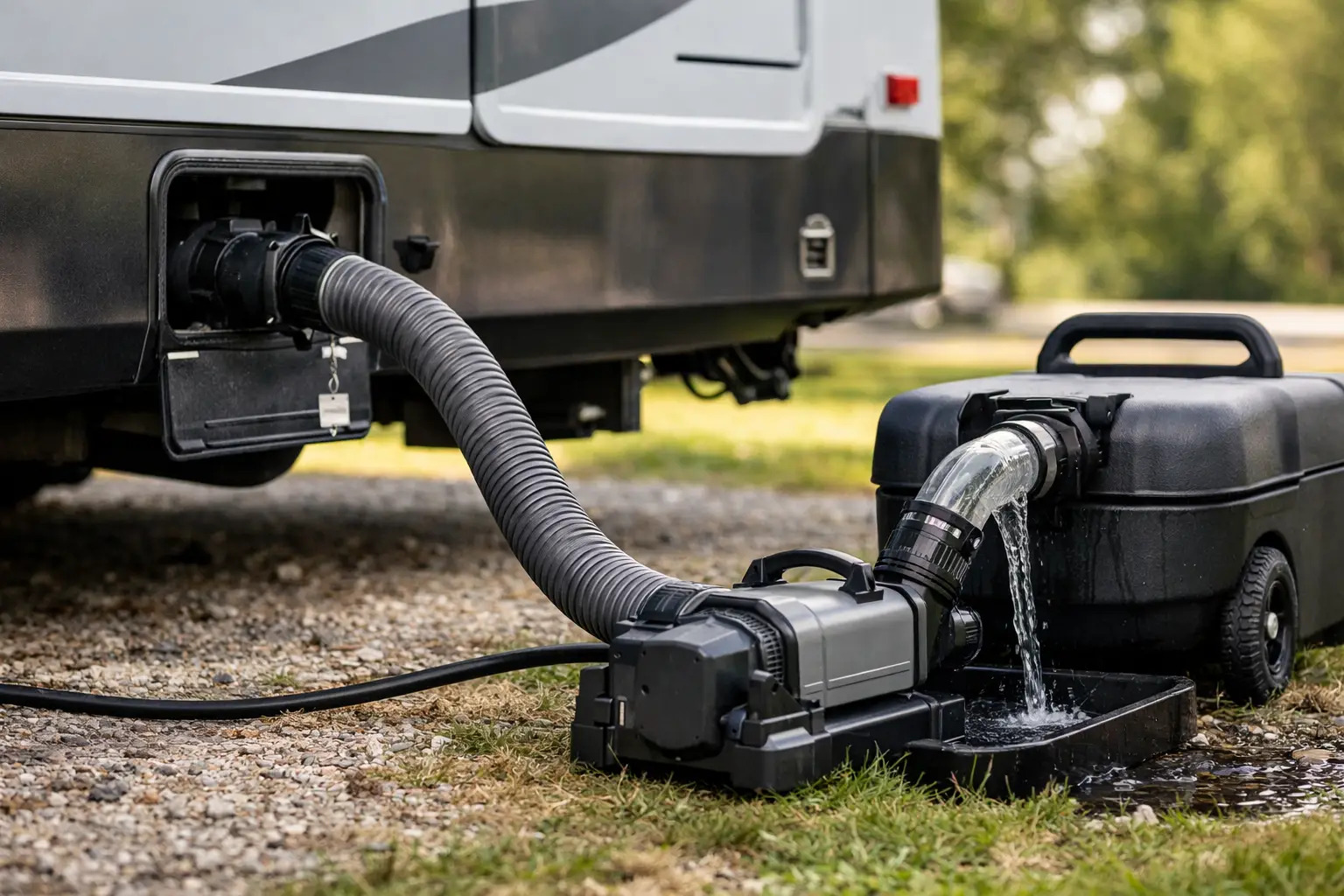
A wet, soft patch over the septic area is easy to dismiss after a hard rain or eastern Idaho snowmelt. But drainfield water pooling that lingers, smells unpleasant, or returns during normal weather deserves a prompt look. Your drainfield is meant to move treated wastewater quietly into the soil. When water is reaching the surface, the system may be overloaded, restricted, damaged, or sitting in soil that cannot accept any more water.
The good news is that pooling does not automatically mean your entire septic system must be replaced. The right answer depends on where the water is appearing, how long it has been there, the condition of the tank, and what has changed around the property. A professional assessment can separate a temporary drainage issue from a septic problem before guesswork makes the situation worse.
What Drainfield Water Pooling Usually Means
A conventional septic system has two main working areas: the tank and the drainfield. Solids settle in the tank while liquid wastewater flows out to a series of pipes in the drainfield. There, the soil filters and absorbs that liquid.
When the soil cannot absorb wastewater at the rate your home sends it out, liquid can rise near the drainfield surface. The ground may look shiny or saturated, feel spongy underfoot, or develop unusually lush green grass. In more serious cases, there may be sewage odor, gray water, or dark wastewater visible above ground.
Treat standing water near a drainfield as a health and property concern, especially if children, pets, livestock, or wells are nearby. Keep people and animals out of the area, and do not attempt to cover the wet spot with dirt, gravel, or mulch. Covering it may hide the symptom, but it will not restore the drainfield’s ability to function.
Common Causes of Water Pooling Over a Drainfield
An overdue septic tank pumping
An overfull tank is one of the first things worth checking. As sludge and scum build up, less room remains for normal wastewater separation. If solids move out of the tank and into the drainfield, they can clog the pipes and soil surface where absorption needs to happen.
Pumping removes accumulated solids and gives a technician a chance to inspect the tank condition. It is a necessary maintenance step, but it is not a cure-all. If solids have already damaged the drainfield or another issue is present, pumping alone may not stop the pooling. That is why an honest assessment matters.
Too much water entering the system
A drainfield has a limit. Several loads of laundry in one day, long showers from a full house, leaking toilets, or a running water softener can send more water into the system than the soil can handle. This can become especially noticeable during spring thaw, rainy weather, or periods when groundwater is already high.
A temporary overload may improve when indoor water use is reduced and the soil dries. Repeated overloads are different. If pooling happens often, the system needs to be evaluated for leaks, household water habits, tank condition, and drainfield capacity.
Roof runoff or surface water draining toward the field
Gutters, downspouts, driveway grading, and landscaping can create trouble when they send clean water toward the drainfield. That extra water fills the soil pores the septic system relies on. The wastewater has nowhere to go, so it rises.
This is one reason a wet spot after rain is not always proof of a septic failure. Still, runoff and septic effluent can happen at the same time. A field visit can help identify whether the water is coming from the ground surface, the septic system, or both.
Compacted or damaged soil
Drainfields need loose, oxygen-rich soil to work properly. Driving, parking, building, piling materials, or allowing heavy equipment over the field can compact the soil and crush shallow pipes. Even repeated traffic from a vehicle or livestock can reduce the soil’s ability to accept water.
Do not park an RV, trailer, truck, or equipment on the drainfield, even if it seems dry. The damage may not show up immediately. It can become obvious later when the system is under normal seasonal stress.
A clogged, aging, or failed drainfield
Drainfields do not last forever. Over time, a biological layer can build up in the soil beneath the distribution pipes. Mineral-heavy water, poor past maintenance, root intrusion, and long-term solids carryover can also reduce how well the field absorbs liquid.
An older field may work reasonably well most of the year and struggle only during wet periods. That does not mean the warning sign should be ignored. A technician can assess the tank, check for obvious distribution concerns, review the system history, and explain whether repairs, water-use changes, or a larger drainfield solution may be needed.
What to Do When You See Pooling
Start by reducing water use inside the home. Hold off on laundry, limit showers, fix any known running toilets, and avoid sending dishwasher loads through until the system has been assessed. This does not repair the cause, but it can prevent additional wastewater from reaching an already stressed field.
Next, keep the area clear. Do not walk through standing wastewater, mow across it, dig around it, or let pets play near it. If there is a septic alarm, do not silence it and forget it. An alarm is telling you the system needs attention.
Then arrange a professional septic evaluation. Clear information helps speed up the visit: when you first noticed the pooling, whether it followed snowmelt or rain, whether drains are slow inside, when the tank was last pumped, and whether anyone has driven over the field. No homeowner needs to diagnose the system alone. A proper on-site review is safer than adding septic additives, chemicals, or temporary fixes that can complicate the problem.
If wastewater is backing up into tubs, showers, toilets, or floor drains, treat it as urgent. Stop using water if possible and request emergency septic service. Indoor backup can create a fast-moving sanitation problem and should not wait for a convenient day on the calendar.
What Not to Do
A few common reactions can make drainfield trouble more expensive. Do not pump the tank repeatedly without finding out why the field is wet. Do not use harsh drain cleaners or chemical additives marketed as a drainfield cure. These products rarely restore failed soil and may disrupt the beneficial bacteria your tank needs.
Avoid installing a drain or trench that moves suspected wastewater to another part of the property. That can expose people and groundwater to contamination and may create code issues. Also, do not assume a dry spell means the problem is gone. If the field surfaced wastewater once, it has given you useful information that should be taken seriously.
How to Protect Your Drainfield After Service
Once the immediate issue is addressed, good habits can help protect the system. Spread laundry across the week instead of doing every load in one afternoon. Repair plumbing leaks quickly, use water efficiently, and keep roof runoff directed away from the septic area.
Know where the tank lids and drainfield are located, and keep both areas accessible for service. Plan routine pumping based on household size, tank size, use patterns, and technician recommendations rather than waiting for a backup. Homes with garbage disposals, large families, guests, or frequent laundry may need service more often.
For eastern Idaho property owners, seasonal conditions matter too. Spring moisture, frozen ground, snowmelt, and changing groundwater levels can reveal a system that was already close to its limit. Watching the area during those transitions gives you a better chance to act early.
Open Range Septic Service can inspect the situation, measure sludge levels, pump the tank when needed, and give you plain answers about what is happening on your property. The goal is not to sell a bigger repair than you need. It is to identify the cause, complete the right work carefully, and leave you with a clear path forward.
Pooling water near a drainfield is not a mess to hide or wait out. A quick, professional look can protect your home, your yard, and the people who depend on both.