
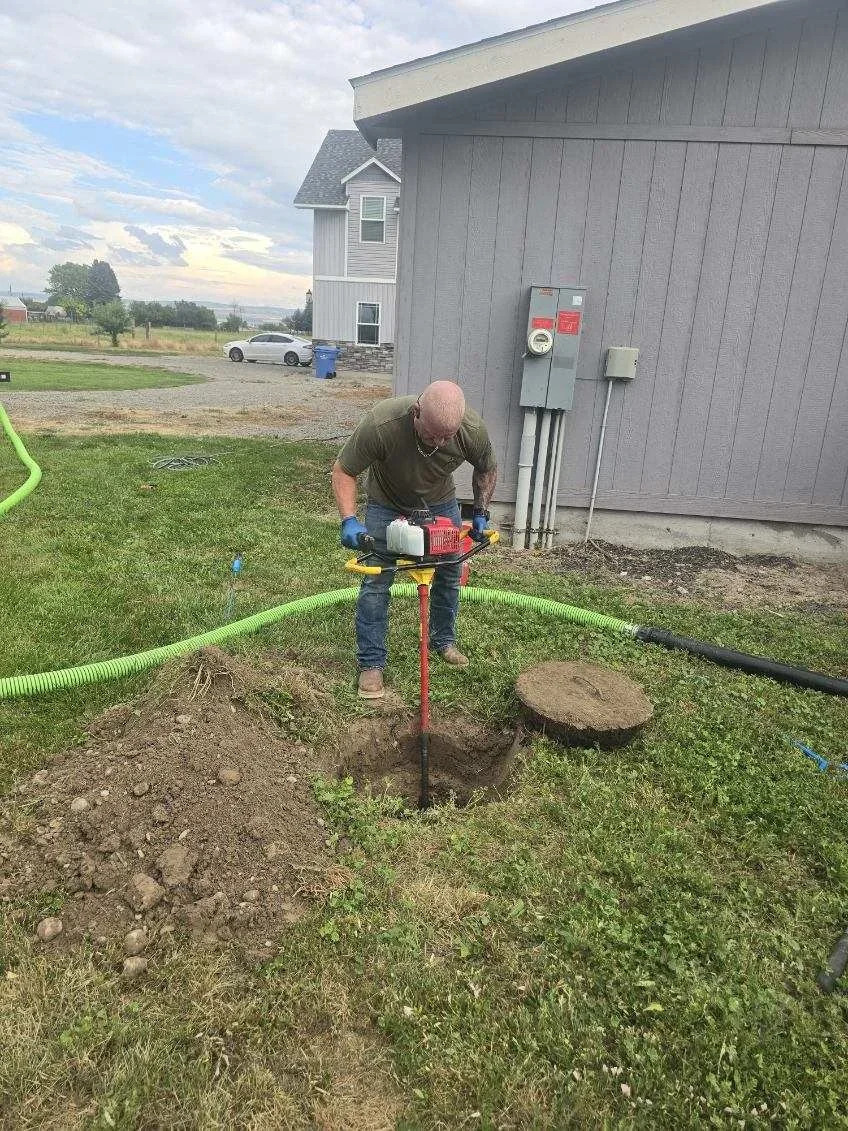
A toilet that burps after it flushes or a shower drain that makes a hollow glug-glug sound can get your attention fast. The septic tank gurgling meaning is not always “your tank is full,” but it does mean your plumbing or septic system is struggling to move air or wastewater the way it should. Catching the reason early can be the difference between a routine service visit and sewage backing up into the house.
What septic tank gurgling usually means
A septic system depends on gravity, clear pipes, proper venting, available tank capacity, and a drainfield that can accept treated wastewater. Gurgling happens when air gets trapped or displaced in a drain line. Instead of moving quietly through the plumbing vent, that air pushes back through a toilet, sink, tub, or floor drain.
The source may be a simple blockage inside the home, a full septic tank, or a developing drainfield problem. That is why the sound alone does not provide a complete diagnosis. Where you hear it, when it occurs, and whether other fixtures are draining slowly all help point toward the real cause.
A single sink that gurgles may have a local drain issue. Multiple fixtures making noise, especially after laundry or a shower, are more likely to involve the main sewer line or septic system. If toilets are slow to flush and water is rising in a tub or shower, treat it as an urgent warning sign.
Common causes of septic gurgling
The septic tank is overdue for pumping
As a tank fills with solids and floating scum, there is less room for incoming wastewater. Wastewater may still leave the house, but the system loses its normal working capacity. The result can be slow drains, toilet bubbling, foul odors, and gurgling sounds.
Pumping removes accumulated sludge and scum, but it is not a cure for every problem. If a tank has been badly overfilled, solids may have moved toward the outlet or drainfield. A qualified service provider should assess the tank condition rather than simply pump and assume the job is done.
For many households, pumping every three to five years is a reasonable starting point. The right schedule depends on tank size, household size, water use, garbage disposal use, and whether the system serves a rental, business, or seasonal property. Measurement and inspection give you a more dependable answer than guessing by the calendar.
A clog is forming in the building sewer line
The building sewer line carries wastewater from the house to the septic tank. Grease, wipes, excessive toilet paper, feminine hygiene products, small objects, or root intrusion can restrict that line. Water may get past the restriction for a while, but the air behind it has nowhere to go smoothly. That is when gurgling often starts.
This issue can look like a full tank, particularly when the clog is near the tank. The difference matters because pumping the tank will not remove a blockage in the pipe. An assessment should consider the drain behavior in the house along with the level and condition of the septic tank.
The plumbing vent is blocked
Your home’s plumbing vents extend through the roof and allow air pressure to balance as water travels through drains. Leaves, snow, nests, or other debris can interfere with a vent. In eastern Idaho, ice and snow conditions can sometimes make a seasonal vent issue more noticeable.
A vent blockage can create gurgling even when the septic tank and drainfield are in good shape. This is one reason it pays not to jump straight to the most expensive explanation. A trained professional can help narrow down whether the issue is inside the plumbing system or farther out at the septic system.
The drainfield is saturated or failing
The drainfield receives wastewater after solids settle in the septic tank. If the soil cannot absorb that wastewater at a normal rate, the system begins to back up. Saturated soil, a damaged distribution component, soil compaction, excess water use, or an aging drainfield can all contribute.
Gurgling tied to a drainfield problem often comes with other signs: drains become slower across the house, odors develop outdoors, or wet and unusually green areas appear near the drainfield. Heavy spring moisture, snowmelt, and groundwater conditions can make a marginal system show symptoms sooner. A full tank may be part of the problem, but pumping alone may only offer temporary relief if the drainfield cannot take the effluent.
When gurgling is an emergency
Not every noise calls for an after-hours response, but sewage should never be ignored. Stop using water and seek prompt help if you see wastewater backing up into a tub, shower, sink, toilet, or floor drain. The same applies if sewage is surfacing outside, standing water has a sewage odor, or toilets overflow without a clear fixture-level cause.
If the gurgling is new but there is no backup yet, reduce water use until the system can be checked. Hold off on laundry, long showers, dishwasher cycles, and extra toilet flushing. Those steps do not fix the cause, but they can keep a restricted system from turning into an indoor mess.
Keep children and pets away from any standing wastewater outdoors. Do not try to open the septic tank yourself or enter a tank under any circumstances. Septic tanks can contain dangerous gases and have very limited safe access. This is work for properly equipped professionals.
What to check before you schedule service
A few details can make an on-site assessment faster and more accurate. Think about whether one drain is affected or whether noises occur throughout the house. Notice whether the sound follows a particular activity, such as flushing a toilet, running the washing machine, or draining a bathtub.
It also helps to know when the tank was last pumped, if records are available. Be ready to mention recent heavy water use, guests staying at the home, construction near the drainfield, plumbing repairs, or wet weather. None of these facts proves the cause on its own, but together they help separate a local drain concern from a septic capacity or drainfield issue.
Avoid chemical drain cleaners as a quick response. They may damage pipes, create hazards for anyone working on the plumbing, and do little for a main-line or septic problem. Do not use additives marketed as a replacement for pumping, either. A healthy septic tank has naturally occurring bacteria, but it still needs solids removed at appropriate intervals.
How a professional septic assessment helps
A good visit starts with listening to the symptoms and reviewing the system history. The technician can locate and access the tank, measure sludge and scum levels, inspect the tank condition, and evaluate whether the tank is operating within normal limits. If the tank needs pumping, the work should include a clear explanation of what was found.
If the tank level does not support the “full tank” theory, the next step may involve looking at the building sewer line, plumbing venting, outlet condition, or signs of drainfield stress. Real answers are better than throwing services at the problem. The goal is to identify what is causing the gurgle and recommend the practical next move without pressure or guesswork.
For homeowners in eastern Idaho, Open Range Septic Service can provide an assessment, pumping, measurement, maintenance guidance, and emergency response when symptoms cannot wait. A careful crew should leave the property clean and make sure you understand the findings before they leave.
Preventing future gurgling and backups
Most septic problems are easier to avoid than repair. Keep vehicles, heavy equipment, sheds, and livestock off the tank and drainfield area so the soil and pipes are not compacted or damaged. Direct roof runoff and surface water away from the drainfield whenever possible. Extra water in the wrong place reduces the soil’s ability to treat wastewater.
Inside the home, spread high-water activities through the week instead of doing multiple loads of laundry back to back. Flush only toilet paper and human waste. Keep grease, wipes, paper towels, medication, cat litter, and harsh chemicals out of drains. These habits protect both the plumbing line and the bacteria that help a septic system work.
Most of all, keep a maintenance record. Knowing your tank size, service dates, and inspection findings turns septic care from a surprise expense into regular property maintenance. When a drain starts talking back, act while it is still only making noise. A prompt assessment gives you the best chance to solve the problem cleanly, safely, and before it reaches the bathroom floor.