

Out of sight, a septic system is doing steady work every time you run a shower, flush a toilet, or start a load of laundry. Regular septic pump maintenance keeps that work on track by clearing out accumulated solids so the tank has room to receive and treat each new round of wastewater. What happens in the tank shapes what reaches the drainfield, which is why a little routine attention goes a long way. Once you see how the two connect, scheduling service becomes a plan built around your property instead of a chore you get to when you remember.
How Your Septic Tank and Drainfield Work Together
A conventional system leans on gravity, natural separation, and soil filtration. Wastewater from your sinks, showers, toilets, and washer flows into the tank and rests there long enough to sort itself out. Heavier solids sink and form sludge, grease and light material float up as scum, and the clarified liquid in the middle, called effluent, moves out toward the drainfield. Naturally occurring bacteria in the tank break down part of the organic material along the way, and the drainfield’s network of perforated pipes then spreads the effluent into the surrounding soil for further treatment. Because each stage hands off to the next, the tank and drainfield perform best when they are cared for as one system.
Why Regular Septic Tank Pumping Matters
Even in a well-run household, sludge and scum build up gradually, since bacteria can only break down so much. Those layers take up room that incoming wastewater would otherwise use, so periodic pumping is how you reset the tank to full working capacity. If you are researching septic tank pumping Shelley, skip the question of how often your neighbor calls for service, because the right interval is personal to each property. Tank size, the number of people in the home, daily water use, and the amount of solids entering the system all play a part. A smaller tank serving a busy household will want attention sooner than a large tank with light use, and a professional assessment turns those details into a schedule that actually fits.
How Pumping Helps Protect the Drainfield
The drainfield counts on the tank to do the first round of separation, so effluent should leave with most settleable solids and floating material still held back. When the tank has been pumped on a sensible schedule, and its inlet and outlet components are in good shape, it keeps delivering exactly that. Clearing out sludge and scum preserves the settling space your system relies on and keeps solids moving toward the outlet to a minimum. That matters because the drainfield soil is built to treat liquid, and the cleaner the effluent arriving there, the more freely it can do its job. Pair routine pumping with thoughtful water use and you are protecting one of the most valuable parts of your property’s infrastructure.
Everyday Habits That Support Your Septic System
Pumping is the cornerstone, but daily household habits decide how much work your system has to handle between visits. Water conservation and smart disposal are the easiest wins, and most of them cost nothing. Here are the habits worth building in:
- Spread laundry loads across the week so the tank is not receiving a big surge of water all at once.
- Fix leaky faucets and running toilets so your system only handles water you actually use.
- Keep cooking grease, oils, wipes, paper towels, and other non-biodegradable items out of your drains and in the trash.
- Use household cleaning products as directed on the label.
- Keep vehicles, heavy equipment, and permanent structures off the drainfield area.
- Keep a simple record of pumping dates, inspections, repairs, and your technician’s recommendations.
Managing water flow deserves special credit here, because a steady, moderate load gives wastewater more time to settle before effluent heads to the drainfield.
What Happens During a Professional Septic Service Visit
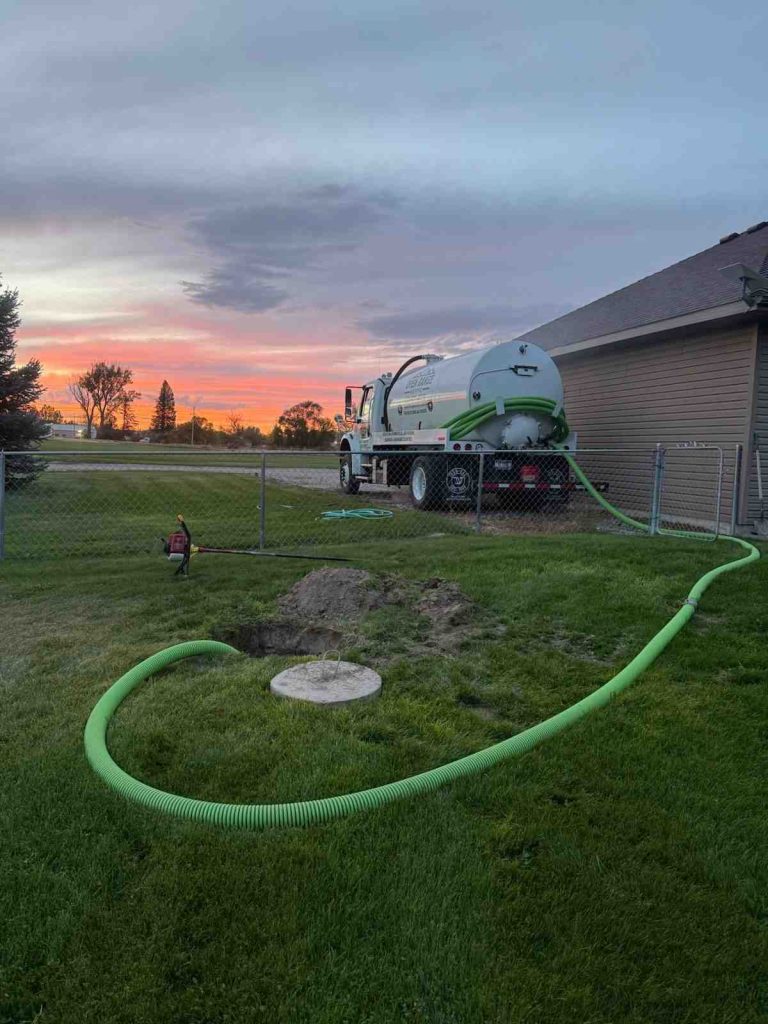
A good service call involves a lot more than backing up a truck and emptying the tank. The technician starts by locating the tank and opening it safely, then removes the accumulated sludge and scum. From there, they can look over the components they can reach, which may include the inlet and outlet baffles and the general condition of the tank interior, depending on your system and the service you booked. The visit is also a chance to talk through your maintenance history, including tank size, household occupancy, past pumping intervals, and what the technician observed inside. Those details make the next appointment easy to plan and give you a clear picture of how your system handles everyday life in your home.
Conclusion
A septic tank and drainfield work as one treatment system, and both reward consistent care. Pumping clears the solids that naturally collect in the tank, while mindful water use and good disposal habits keep conditions favorable between visits. At Open Range Septic Service LLC, we help homeowners care for their systems through professional septic tank services and practical septic pump maintenanceguidance. Whether your property is due for routine pumping or you would like an assessment of its current needs, our team is ready to help. Contact us today to schedule service and give your septic system the attention it deserves.
FAQs
1. How often should a septic tank be pumped?
The ideal pumping frequency depends on tank size, household occupancy, daily water usage, and the amount of solids entering the system. A professional assessment can help determine a suitable maintenance schedule for your property.
2. How does septic tank pumping help protect the drainfield?
Pumping removes accumulated sludge and scum, helping prevent excessive solids from reaching the drainfield. This supports proper wastewater flow and allows the soil to continue treating effluent effectively.
3. What are the main signs that a septic tank needs pumping?
Common signs include slow drains, wastewater backups, persistent unpleasant odors near the tank or drainfield, and unusually wet areas around the drainfield. A professional inspection can help identify the cause and determine whether pumping is needed.
4. What should homeowners avoid putting into a septic system?
Avoid flushing wipes, paper towels, cooking grease, oils, and non-biodegradable materials. These items can contribute to solid accumulation and interfere with normal septic system operation.
5. What does a professional septic tank pumping service include?
A typical service involves accessing the tank, removing accumulated sludge and scum, and checking accessible components such as inlet and outlet baffles, depending on the service scope. Technicians can also provide maintenance recommendations based on the tank’s condition.