
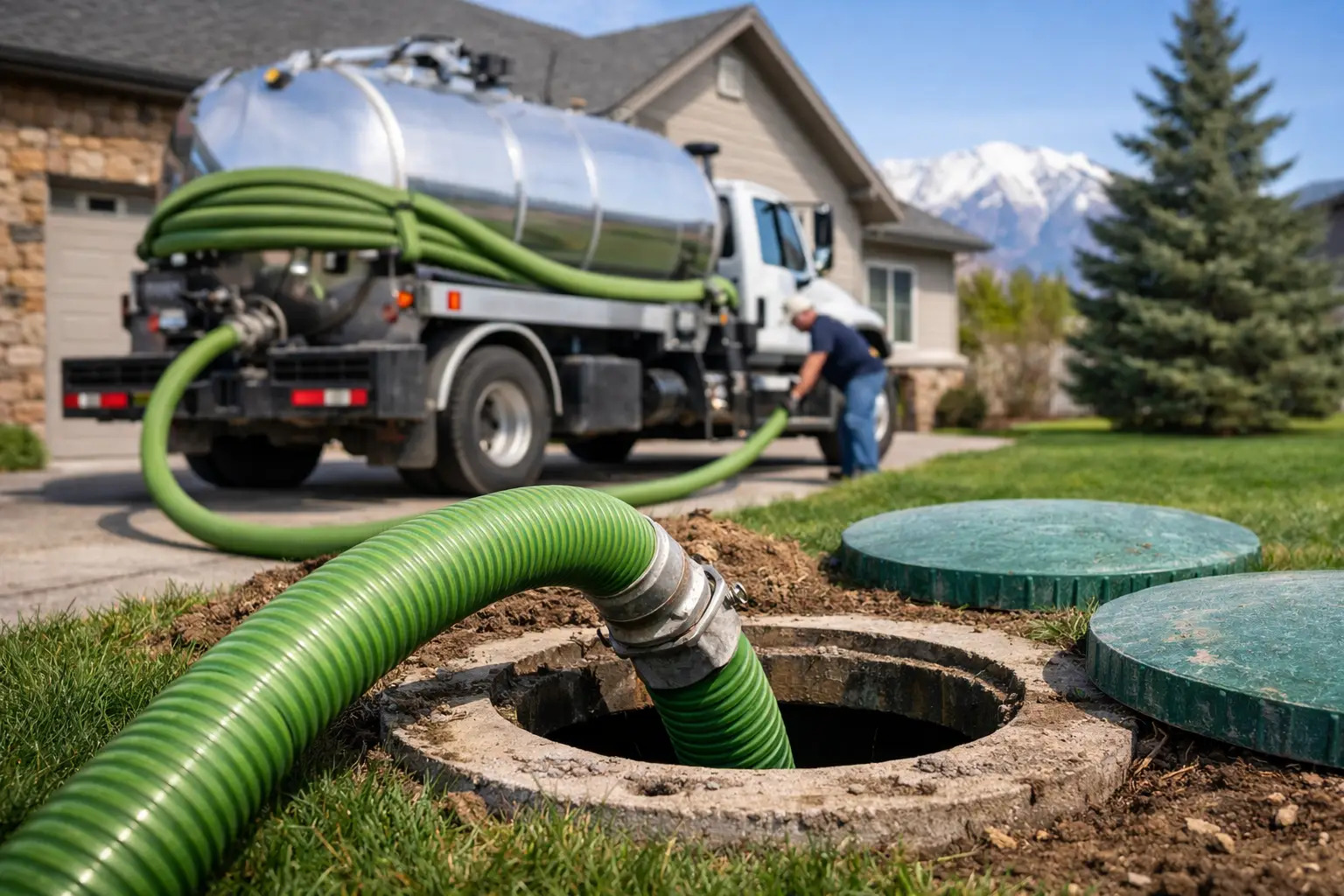
A septic system rarely picks a convenient time to get your attention. It is usually a slow drain before company arrives, a wet patch near the tank, or a toilet that suddenly will not clear. Regular septic pumping Idaho Falls homeowners schedule before those moments can protect the system, the yard, and the household budget.
A pump-out is not just another chore to put on a calendar. It gives you a clear look at what is happening below ground, removes accumulated solids, and helps prevent sewage from backing up into the home or surfacing on the property. For eastern Idaho homes, where many families rely on private systems year-round, that kind of prevention matters.
Why Septic Tanks Need Regular Pumping
Every septic tank separates wastewater into layers. Solids settle to the bottom as sludge, oils and lighter materials rise to the top as scum, and the liquid layer moves out toward the drainfield. The bacteria in the tank do useful work, but they cannot make the solids disappear completely.
Over time, sludge and scum take up more of the tank’s working space. If they are allowed to build too high, solids can travel into the drainfield. That is where a routine maintenance issue can turn into a much more expensive repair. A drainfield that becomes clogged with solids may drain slowly, smell bad, or fail to handle normal household water use.
Pumping removes the material that should not leave the tank. It does not solve every septic issue, but it is the most dependable way to reduce the risk of solids reaching the drainfield.
How Often Should You Schedule Septic Pumping in Idaho Falls?
For many households, pumping every three to five years is a reasonable starting point. But a calendar alone cannot tell the whole story. Tank size, household size, water use, garbage disposal habits, and the age of the system all affect how quickly a tank fills.
A smaller tank serving a busy family may need attention sooner than a larger tank serving one or two people. Homes with frequent guests, rental use, or high laundry volume can also fill a tank faster. If you use a garbage disposal often, food waste adds to the solids load and can shorten the time between pump-outs.
The best answer comes from measurement, not guesswork. A technician can check the sludge and scum levels and explain whether service is needed now or whether the tank has useful capacity remaining. That is especially helpful for homeowners who have just purchased a property and do not know the system’s maintenance history.
Signs Your Septic Tank May Be Full
Waiting until sewage backs up is the expensive way to find out a tank needs attention. Watch for changes that are out of character for your home, especially if more than one fixture is affected.
- Drains, toilets, or tubs become slow throughout the house.
- Toilets gurgle after flushing or when water drains elsewhere.
- Sewage odors appear indoors, near the tank, or around the drainfield.
- Grass over the tank or drainfield becomes unusually green, soft, or wet.
- Wastewater backs up into a shower, tub, floor drain, or toilet.
A single slow sink may be a local plumbing clog. Several slow fixtures at once are more likely to point to a septic or main-line issue. Either way, it is smart to get a clear assessment before using chemical drain products or assuming the problem will pass on its own.
What Happens During a Professional Pump-Out?
A good service visit should feel straightforward. The goal is not to create pressure or confusion. It is to identify the tank, assess its condition, pump it thoroughly, and leave the property clean.
First, the service provider locates and opens the tank access points. If the lids are buried, that may involve careful digging. The tank levels are checked so you have a better understanding of how the system has been performing. This step can reveal whether the tank is simply due for maintenance or whether the levels suggest a possible issue with the outlet, drainfield, or plumbing.
Next, the contents are pumped from the tank. Thorough pumping matters because leaving substantial sludge behind reduces the value of the visit. The technician may also inspect visible components, such as baffles, risers, lids, and filters, when accessible. If something needs attention, you should receive a plain explanation of what was found and what options make sense.
When the work is finished, the access points are secured and the work area is cleaned up. The property should look cared for, not like a mess was left behind. You should also leave with practical guidance on when to check or pump the system again.
Septic Pumping Idaho Falls: Do Not Ignore an Emergency
A full tank is not always the cause of a septic emergency. A blocked line, failed pump, damaged baffle, saturated drainfield, or heavy groundwater conditions can create similar symptoms. That is why a fast assessment is more useful than making assumptions.
If wastewater is backing up into the house, reduce water use immediately. Stop running laundry, avoid long showers, and do not keep flushing toilets to test whether the issue has cleared. Keep people and pets away from any standing wastewater outdoors. Sewage exposure is a health concern, and extra water use can make a backup worse.
Emergency service is particularly valuable when the system supports a household, rental property, business, or RV site that cannot simply go without plumbing. Firefighter-owned Open Range Septic Service provides 24/7 emergency response with the kind of disciplined, local approach customers need when there is no time for runaround.
Simple Habits That Help Your System Last
Regular pumping is the foundation, but daily habits influence how hard your septic system has to work. The system handles normal wastewater well. It is less forgiving when it receives materials that do not break down or when too much water enters at once.
Keep wipes, paper towels, feminine hygiene products, dental floss, grease, coffee grounds, and cat litter out of toilets and drains. Even products labeled flushable can create trouble in a septic system. Kitchen grease is another common problem. It may go down warm, but it cools and hardens in the plumbing or tank.
Water use deserves attention too. Spread laundry loads through the week when possible rather than running several back-to-back. Repair running toilets and leaking fixtures promptly. A small leak can send hundreds of unnecessary gallons into the system over time, using up tank capacity and stressing the drainfield.
Be careful with the area above the tank and drainfield. Do not park vehicles, store heavy equipment, or build structures over those components. Compacted soil and damaged pipes are problems that routine pumping cannot fix.
Pumping, Inspection, or Measurement: Which Service Do You Need?
These services overlap, but they are not identical. Pumping is the right choice when the tank is due based on its maintenance schedule, measured sludge levels, or symptoms of being overfull. It is preventive maintenance and often the first practical step when the tank has not been serviced in several years.
An inspection is useful when buying or selling a property, investigating an unfamiliar system, or documenting the condition of septic components. A certified inspection can look beyond tank contents and help identify condition concerns that a standard pump-out may not fully address.
Sludge-level measurement is a good fit when you want an honest answer about whether pumping is needed yet. Some tanks do not need to be pumped on the same fixed schedule as their neighbors. Measuring first can prevent unnecessary service while still keeping the system on track.
The right service depends on the situation. A reputable local provider should explain the difference without trying to sell work your system does not need.
A Little Attention Protects a Lot of Property
Your septic system works quietly, but it protects your home’s sanitation every day. Keeping its maintenance on schedule is easier, cleaner, and far less stressful than reacting to a backup. If you are unsure when your tank was last serviced, start with an assessment and get real answers before a small concern becomes an urgent call.