
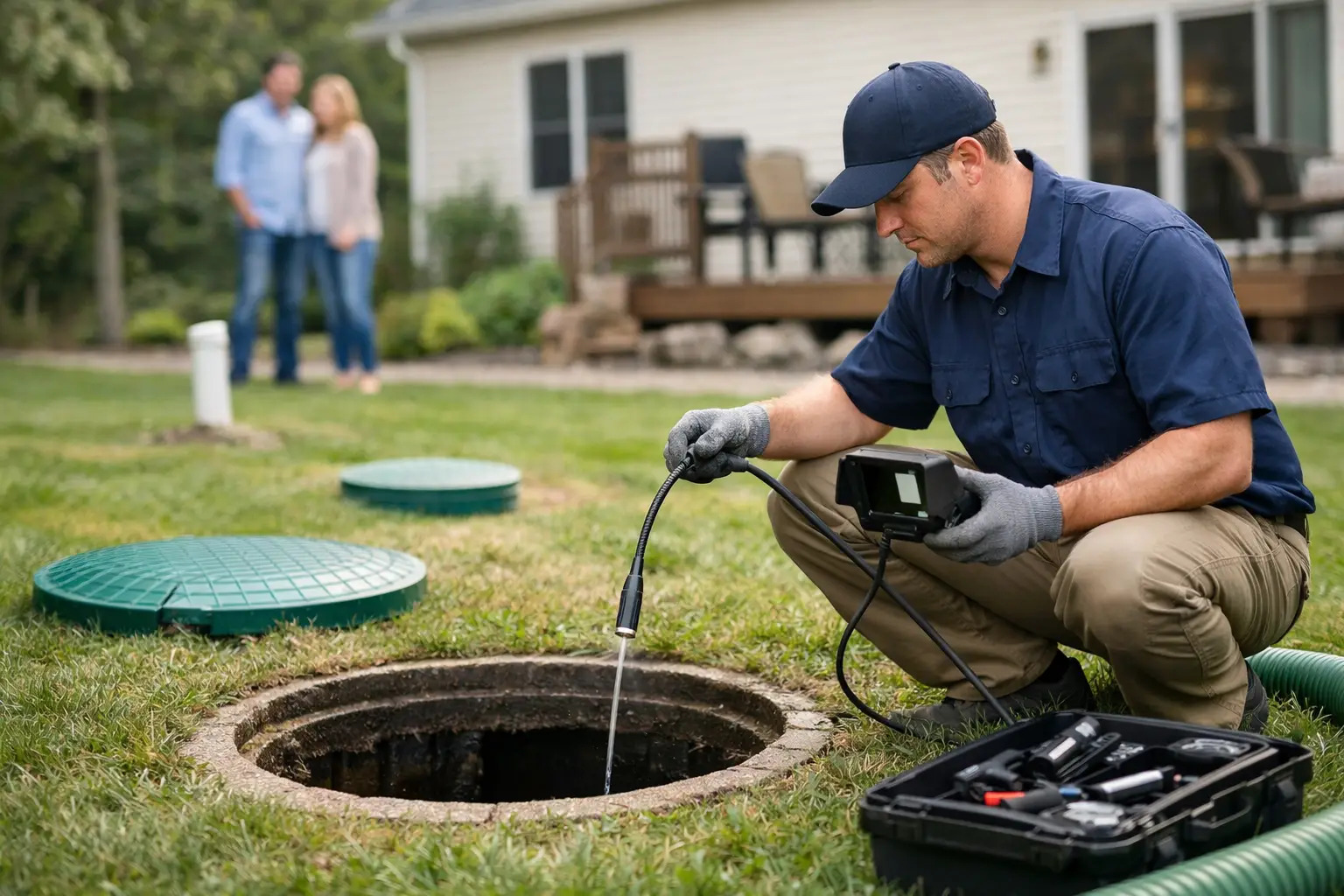
A beautiful house on acreage can still come with a septic system that is overdue for pumping, leaking, undersized, or simply unknown to the seller. A septic inspection for home purchase gives you a clear look at one of the property’s most expensive hidden systems before you sign closing papers. It is not about creating alarm. It is about getting real answers while you still have options.
For buyers in eastern Idaho, that matters. Many rural and semi-rural homes rely on private septic systems, and system age, soil conditions, winter access, household size, and maintenance history can all affect what you are buying. A proper inspection helps replace guesswork with documented findings.
Why a septic inspection belongs in your due diligence
A septic system works quietly when it is maintained. That can make it easy for a seller to say everything is fine without knowing the true condition of the tank, baffles, filters, and drainfield. A green lawn and drains that appear to work during a showing do not prove the system is healthy.
Problems may not show up until the home has a full household using water every day. By then, a buyer could be dealing with backups, sewage odors, wet spots in the yard, restricted water use, or a repair bill that was never part of the moving budget.
An inspection during the purchase process can identify visible concerns, confirm maintenance needs, and help clarify whether the system appears suitable for the home. It can also provide useful documentation for lenders, insurers, real estate professionals, or local requirements when a certified inspection is needed.
The timing matters. Make the septic inspection part of your inspection contingency and schedule it early enough to review the findings before deadlines arrive. If the tank needs to be uncovered or pumped, or the property is under snow, more coordination may be needed.
What a septic inspection for a home purchase checks
The exact scope depends on the property, local requirements, and the type of system installed. A professional inspection should be more than a quick glance at a lid. The goal is to understand the condition and operation of the accessible system components.
Tank condition and access
The inspector first locates the tank and access points when possible. This may involve reviewing records, using locating equipment, or carefully probing the area. Once the tank is accessible, the inspection can look for cracked or deteriorated components, damaged risers or lids, unsafe access conditions, and signs that groundwater is entering the tank.
Concrete tanks can last for decades, but age and neglect matter. Steel tanks, older materials, or tanks with failing lids deserve extra attention. A damaged lid is not a small cosmetic issue. It can create a serious safety hazard for people, pets, and equipment.
Liquid, sludge, and scum levels
A septic tank separates solids from wastewater. Over time, sludge settles at the bottom and scum rises to the top. If those layers build up too far, solids can move toward the outlet and damage the drainfield.
Measuring those levels helps determine whether pumping is due and whether the tank has been maintained on a reasonable schedule. A full tank does not automatically mean the entire system has failed, but it should not be ignored. Pumping provides a clearer view of the tank interior and can prevent a routine maintenance issue from becoming a drainfield problem.
Inlet, outlet, baffles, and filters
The inlet and outlet areas are where many significant issues are found. The inspection may check whether baffles are intact, whether the outlet is protected, and whether an effluent filter is present and needs cleaning. These parts help keep solids where they belong: inside the tank.
Missing or damaged baffles can allow floating material and solids to leave the tank. That can shorten the life of the drainfield. An effluent filter that is overdue for service can also slow flow and contribute to backups inside the home.
Signs of drainfield trouble
The drainfield is where treated liquid leaves the tank and disperses into the soil. It is also the most expensive part of the system to repair or replace. While no inspection can see every underground condition, an experienced provider looks for evidence that points to a problem.
That can include standing water, unusually wet or soft ground, sewage odors, surfacing wastewater, stressed vegetation, plumbing backups, or a history of frequent pumping. The inspector may also ask about the home’s water use, the number of bedrooms, past repairs, and whether vehicles or heavy equipment have driven over the drainfield area.
A drainfield can appear dry on inspection day and still have limits. That is why the full picture matters: site conditions, tank findings, records, and homeowner history all help shape an honest assessment.
What an inspection cannot promise
A septic inspection is a valuable snapshot, not a lifetime warranty. Underground pipes may not all be visible. Soil absorption cannot always be fully tested during a standard inspection. A system may perform adequately for a small household but struggle if the new owners add occupants, finish a basement, install high-water-use fixtures, or host frequent guests.
Weather can affect what is accessible, too. Frozen ground and deep snow can make locating lids, tracing lines, or evaluating the drainfield more difficult. In eastern Idaho, it pays to schedule early and ask what can reasonably be evaluated under current conditions.
The key is straightforward reporting. You should know what was inspected, what could not be inspected, what maintenance is recommended, and whether any concerns need further evaluation. No surprises, no shortcuts.
How to use the results before closing
Not every finding should end a purchase. A tank that simply needs pumping, a dirty filter, or an older riser that should be improved may be normal maintenance items. The question is whether the findings are routine, urgent, or likely to lead to a larger expense.
If the inspection identifies a concern, share the written report with your real estate agent and review the available paths. Depending on the purchase agreement, you may ask the seller to complete repairs, request a credit, negotiate the price, seek additional evaluation, or decide the risk does not fit the property.
Be specific when discussing repairs. “Fix the septic” is too vague. A stronger request identifies the component, the required work, who will perform it, and what documentation should be provided. If pumping is part of the agreement, ask for the service record and any findings from inside the tank.
For a system that is functioning but older, plan ahead instead of assuming disaster. Set aside a maintenance budget, keep the drainfield protected from traffic, learn the location of the tank and field, and ask for any available permits, diagrams, pumping records, or repair history.
Questions buyers should ask the seller
A few direct questions can make an inspection more useful. Ask when the tank was last pumped, whether repairs have been made, where the tank and drainfield are located, and whether the home has had backups, odors, slow drains, or wet areas in the yard. Ask if there are records for the system’s installation, permits, or previous inspections.
Also ask about household use. A two-person household may place much less demand on a system than a family of six. If you expect to use more water than the seller, factor that into your decision. A septic system is not just a feature of the property. It is a working system that needs to match how you plan to live there.
Choose a local provider who explains the findings
A home purchase is not the time for a rushed inspection or a vague verbal opinion. Choose a licensed local provider who can assess accessible components, measure tank levels, explain concerns in plain language, and provide clear findings for your records.
Open Range Septic Service approaches inspections the same way it handles every service call: show up prepared, respect the property, give the customer straight answers, and leave the site clean. For buyers, that means understanding what the inspection found without pressure or industry jargon.
Before your inspection deadline closes, make room in the process for the septic system. A few hours spent getting a clear picture now can help you move into your next home with a plan, not a question mark.