
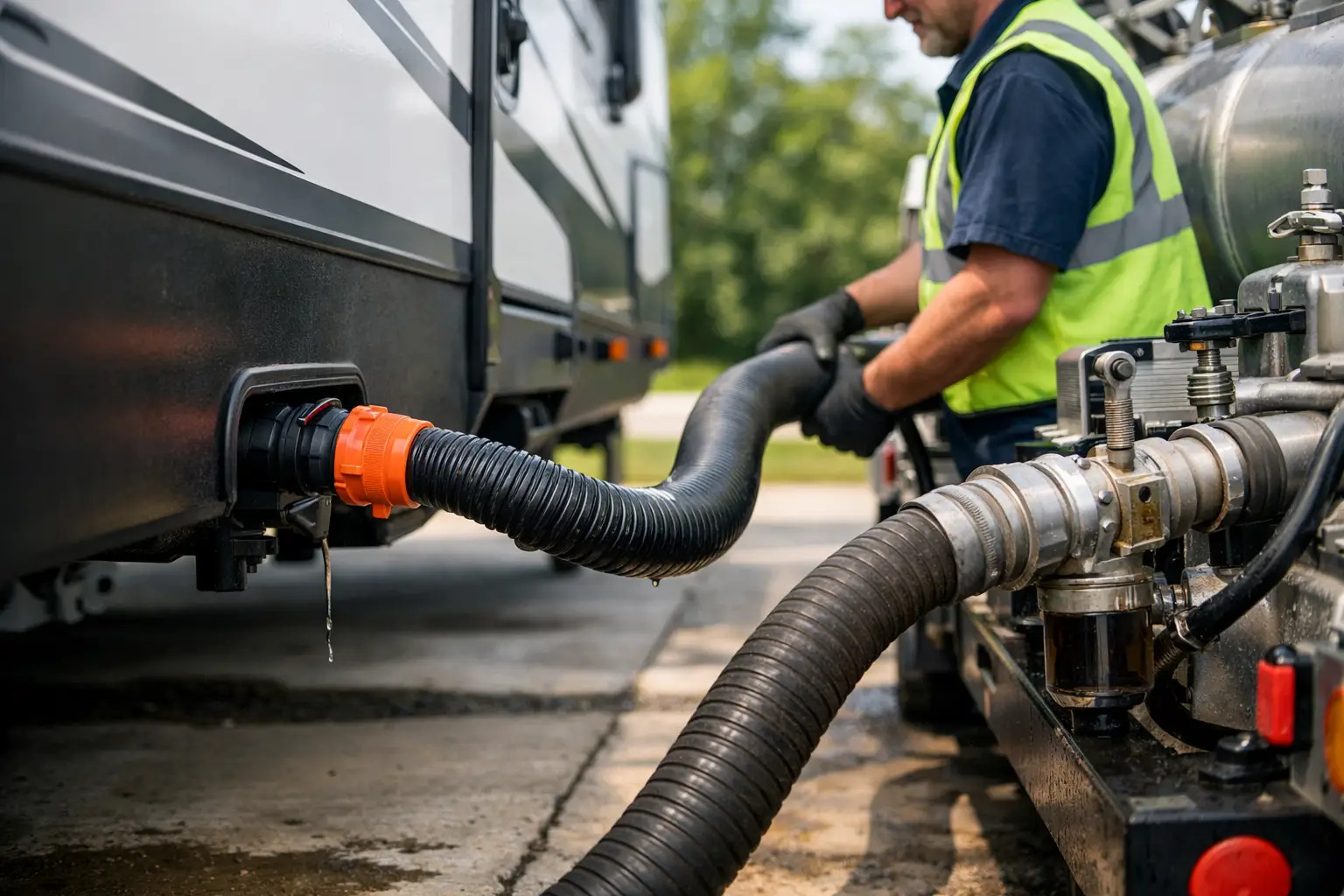
A full black tank can turn a good camping trip into a problem fast. Slow-flushing toilets, odors inside the RV, a tank monitor stuck on full, or backup near the toilet are all signs it may be time for an RV black tank pump out. The right service removes waste safely, checks for obvious concerns, and leaves your site clean without turning a necessary job into a bigger headache.
For RV owners in eastern Idaho, professional pump-out service can be especially helpful when you are staying at a seasonal site, parked at a property without a suitable dump connection, preparing to move the RV, or dealing with an unexpected backup. No surprises, no shortcuts – just a clear assessment and careful work.
When an RV Black Tank Pump Out Is Needed
Your black tank holds wastewater from the toilet. Unlike the gray tank, which collects water from sinks and showers, the black tank contains solid waste and toilet paper. It needs regular emptying before it becomes overfull or develops a clog.
The obvious sign is a tank monitor reading full, but those sensors are not always perfect. Toilet paper and waste can stick to sensors and cause false readings. Pay attention to what the RV is doing, not just what the panel says. A toilet that burps, drains slowly, smells stronger than usual, or begins to hold water in the bowl may mean the tank is nearing capacity or that waste is not moving as it should.
A pump-out is also a smart choice before winter storage, after a long stay in one location, or before transporting an RV. Moving a full tank adds unnecessary weight and raises the chance of a messy issue on the road. If the RV has been sitting unused with waste inside, prompt service helps avoid stronger odors and hardened material that can be harder to remove.
What Happens During an RV Black Tank Pump Out
A professional pump-out should be straightforward. The technician first identifies the RV’s waste connection, confirms whether the black tank, gray tank, or both need service, and makes sure the truck can safely access the unit. Clear access matters. If the RV is behind a gate, parked in snow, or positioned a long distance from the service area, sharing that information when scheduling helps avoid delays.
Assessment before pumping
Before hoses are connected, the technician checks the situation for practical concerns: tank access, visible leaks, standing wastewater, connection condition, and the type of service needed. This is where a good provider gives real answers rather than guessing. If a problem appears to be more than an overfull tank, such as a damaged valve or a blockage in the outlet line, you should know that before work moves forward.
Safe waste removal
The tank is pumped using equipment designed to contain wastewater from start to finish. The goal is to pull the contents out efficiently while protecting the RV site, driveway, or campground pad. A careful technician monitors the process rather than simply connecting a hose and walking away.
If both tanks need attention, the black tank is generally handled first. Gray water may then be pumped as requested. Gray tanks can still smell, overflow, and create sanitation problems, especially after extended use, so they should not be treated as an afterthought.
Cleanup and a clear finish
Once pumping is complete, the service area is checked and cleaned up. You should receive a plain explanation of what was done and any concerns noticed during the visit. Open Range Septic Service LLC approaches RV service the same way it handles residential septic work: assess carefully, complete the job cleanly, and give the customer useful guidance without pressure or guesswork.
How to Prepare Your RV for Service
A little preparation keeps the appointment quick and helps protect your property. Move vehicles, firewood, patio furniture, or other items that block access to the RV’s waste outlet. If the RV is in a gated community, storage yard, or seasonal campground, make sure the provider can enter the location.
Keep the black tank valve closed before the appointment unless you are instructed otherwise. An open valve can allow liquids to drain while solids remain behind, creating a buildup that is much harder to clear. If you have recently added chemicals, excessive paper, wipes, or tank treatments, mention that during scheduling. Honest details help the technician arrive prepared.
In eastern Idaho, winter conditions deserve extra attention. Snow, ice, frozen compartment doors, and inaccessible hookups can all affect the job. Clear a safe path when possible. If the RV is winterized or the plumbing is frozen, say so ahead of time so expectations are realistic.
Problems a Pump-Out Cannot Always Fix
Pumping solves an overfull tank, but it cannot repair every RV waste-system issue. If the toilet still will not flush properly after the tank has been emptied, the trouble may be a toilet seal, vent issue, clogged pipe, damaged valve, or buildup inside the tank. A false full reading may simply be dirty sensors rather than a full tank.
There is also a difference between routine waste removal and a tank that has become badly compacted. Leaving the valve open for long periods can create a solid pile directly under the toilet. In that situation, a standard pump-out may remove liquid but not all of the hardened material at once. The next step depends on the condition of the tank, the RV plumbing layout, and how long the buildup has been present.
This is why regular service costs less stress than waiting for an emergency. A professional can tell you whether the tank appears to be draining normally or whether the RV needs additional cleaning, repair, or inspection.
Keep the Black Tank Working Between Pump-Outs
The best black tank habit is simple: use enough water. Each flush should carry waste fully into the tank, and more water in the tank helps keep solids from drying out. Use RV-safe toilet paper and avoid products that do not break down properly.
Never put wipes, paper towels, feminine products, grease, food scraps, or household trash into the toilet, even if a package says flushable. RV plumbing and holding tanks are less forgiving than a home sewer system. Those items can catch at the valve or outlet and create a clog that a routine service call cannot quickly solve.
It also helps to wait until the tank is reasonably full before emptying it during normal use. A fuller tank creates better flow when it is drained. That said, do not wait for warning signs or an overflow. If you are staying in the RV for an extended period, schedule service based on how many people are using it, not only on the calendar.
Common RV Pump-Out Questions
How often should an RV black tank be pumped?
It depends on tank size, the number of people using the RV, water use, and whether the RV is a weekend camper or a full-time residence. A couple using a larger RV for occasional trips may go much longer than a family staying in one unit for weeks. Watch the tank level and schedule before it reaches the point of slow flushing or backup.
Can black and gray tanks be pumped at the same appointment?
Yes. Many RV owners choose to have both tanks serviced at once, especially before storage or moving the unit. This is often the simplest way to start fresh, but the right choice depends on each tank’s level and condition.
What should I do if wastewater is backing up into the RV?
Stop using the toilet and sinks right away. Continued water use can make the backup worse. Keep people and pets away from any spilled wastewater, then call for professional help. If the issue happens after hours, ask whether emergency service is available so you can get a clear plan quickly.
A clean, properly emptied tank lets you get back to using your RV the way it was meant to be used – without watching every flush or worrying about what is building up below the floor.