
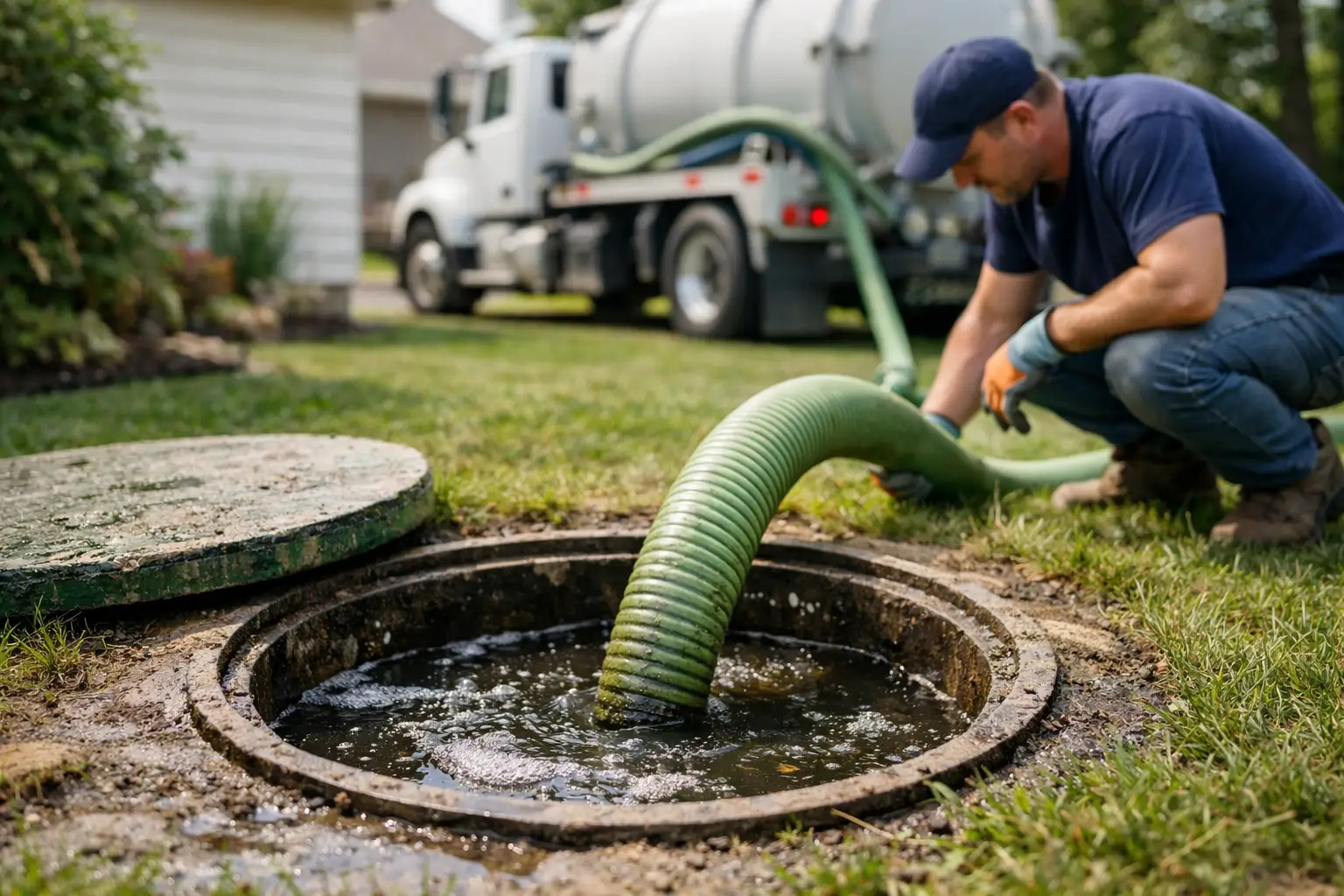
A slow shower drain may seem like a minor annoyance. But when that slow drain comes with toilet gurgling, sewage odors, or wet ground near the tank, it is time to pay attention. Knowing the signs your septic tank is full can help you schedule service before a messy backup reaches the house or damages the drainfield.
A septic system works quietly until it does not. Wastewater leaves the home and enters the tank, where solids settle to the bottom as sludge and lighter materials float on top as scum. The liquid layer exits to the drainfield for final treatment in the soil. As sludge and scum build up, the tank has less working room. Eventually, solids can move toward the outlet and put the rest of the system at risk.
7 Signs Your Septic Tank Is Full
1. Drains are slow throughout the house
One slow sink may be a local clog. Slow drainage in the kitchen, bathrooms, laundry area, and showers at the same time points to a bigger issue. When the septic tank is overdue for pumping or the system cannot move wastewater properly, water may take longer to leave every fixture.
Pay particular attention if drains that usually work fine become slow after doing laundry, running the dishwasher, or having guests over. Higher water use can expose a tank that is already near capacity.
2. Toilets gurgle or flush weakly
A toilet should flush with a steady, normal sound. Gurgling, bubbling water, or a weak flush can mean air is trapped in the plumbing because wastewater is not flowing away as it should. You may also notice the bowl water rising unusually high before slowly dropping.
This symptom can come from a plumbing vent issue or blockage, so it does not automatically prove the tank is full. Still, when toilet trouble appears alongside slow drains or odors outside, a septic assessment is the practical next step.
3. Sewage backs up into tubs, showers, or floor drains
This is the sign to treat as urgent. Wastewater usually backs up at the lowest drain first, which may be a basement floor drain, shower, bathtub, or lower-level toilet. Do not keep flushing, showering, or running water to see if the problem clears. That can add more wastewater to an already overloaded system.
Keep people and pets away from the affected area. Sewage can carry harmful bacteria, and a quick cleanup without fixing the cause will not solve the problem. A licensed septic professional can determine whether the issue is an overfull tank, a blockage, a failed pump component, or a drainfield concern.
4. You smell sewage near the tank or drainfield
A properly operating septic system should not make your yard smell like sewage. A noticeable odor around the tank lid, drainfield, or even inside the home is a warning that gases or wastewater are not staying where they belong.
Odors can become more noticeable during warm weather, after heavy water use, or when the ground is saturated. In eastern Idaho, spring snowmelt and periods of wet weather can also make an already stressed system show its problems. The smell may fade temporarily, but the underlying issue still needs attention.
5. Grass over the drainfield is unusually green or spongy
A healthy drainfield can have normal grass growth. What you do not want is one patch that is dramatically greener, taller, or softer than the rest of the yard. Excess wastewater can act like fertilizer, creating thick green grass while also saturating the soil below.
Standing water, muddy ground, or spongy soil near the tank or drainfield deserves a prompt call. Do not drive across the area or let livestock, children, or pets play there. Extra weight can compact soil and make drainfield performance worse.
6. The septic alarm is sounding
Homes with a pump tank, lift station, or advanced septic setup may have an alarm. That alarm is there for a reason. It can indicate a high-water condition, a failed pump, a float issue, or a power problem.
If the alarm sounds, reduce water use immediately. Check whether a breaker has tripped, but do not open electrical panels or attempt to repair the system yourself. A full tank is one possibility, but pumping alone may not address a failed pump or control issue. Accurate diagnosis matters.
7. It has been years since the last pump-out
Sometimes the clearest warning sign is the service record. Many household septic tanks need pumping about every three to five years, but there is no one schedule that fits every property. A family of six with a smaller tank may need service more often than a couple with a larger tank and low water use.
Garbage disposal use, long showers, frequent laundry, guests, home businesses, and the age of the system all affect the schedule. If you cannot remember the last pump-out, or if you bought a home without clear records, a sludge-level measurement and inspection can replace guesswork with real answers.
A Full Tank Is Not the Only Possible Problem
The signs a septic tank is full can overlap with other septic and plumbing issues. A clogged inlet or outlet baffle, damaged pipe, blocked effluent filter, failed pump, crushed line, or saturated drainfield can produce many of the same symptoms. That is why a proper service visit should begin with assessment, not assumptions.
Pumping removes built-up sludge and scum from the tank. It is essential routine maintenance, and it may quickly restore normal operation when the tank is simply overdue. But if a tank fills again very quickly, wastewater remains in the yard, or drains stay slow after pumping, further inspection is needed. The goal is to identify the cause before a small issue turns into drainfield damage or a costly repair.
What to Do When You Notice the Warning Signs
Start by cutting back water use. Skip laundry, limit showers, avoid running the dishwasher, and do not use a garbage disposal until the system has been checked. Every gallon sent down the drain adds pressure to a struggling tank or drainfield.
Do not use septic additives, harsh drain cleaners, or chemical “fixes” as a substitute for pumping. Additives do not remove accumulated solids, and aggressive chemicals can disrupt the beneficial bacteria that help the system work. They can also mask a problem long enough for it to get worse.
Next, schedule a professional evaluation. A technician can locate the tank, measure sludge and scum levels, inspect accessible components, and recommend the right service. If a backup, alarm, or sewage exposure is involved, ask for urgent help rather than waiting for a convenient day. Open Range Septic Service provides local pumping, measurement, inspections, and emergency response throughout eastern Idaho with clear findings and careful cleanup.
How to Avoid an Overfull Septic Tank
The best protection is a maintenance plan based on your household and system, not a random calendar reminder. Keep a record of pump-outs, inspections, repairs, and any unusual symptoms. Those notes are useful for homeowners, landlords, and future buyers alike.
Use water wisely by spreading laundry across the week instead of washing many loads in one day. Fix running toilets and dripping faucets quickly. Keep wipes, paper towels, grease, coffee grounds, feminine products, and medications out of the drains, even if a product claims to be flushable.
Protect the tank and drainfield from heavy vehicles, construction equipment, and deep-rooted trees. Direct roof runoff and sump-pump discharge away from the drainfield so the soil can continue handling treated wastewater. These small habits do not replace pumping, but they can help the system last longer between service visits.
A septic problem rarely gets cheaper by waiting. If your home is showing more than one warning sign, reduce water use and arrange an assessment before the system makes the decision for you.